Gov. David M. Apatang says a reconstituted Commonwealth Casino Commission will be made up of new, unpaid commissioners as part of a broader effort to revive Saipan’s collapsed casino industry and restore public confidence in gaming regulation.
Apatang said the mothballed commission will not simply be revived in its old form, stressing that any new body would represent a clean break from the past.
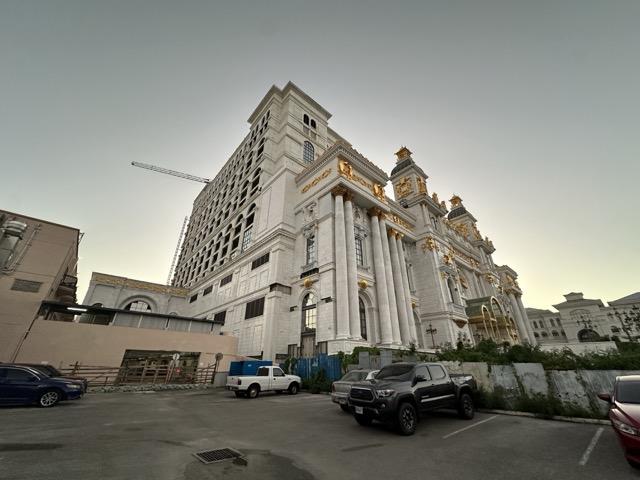
“It’s not going to be the same. It’s going to be different individuals,” the governor said after briefly gracing the open house of Casa Marianas Last Dec. 18.
He added that the commission cannot be reconstituted until lawmakers act. “You have to pass the bill first. Then it becomes law and after that we can work on the commissioners and all that. Non-paid commissioners.”
That reset is now moving through the Legislature, after House Committee on Gaming chair Rep. Ralph N. Yumul pre-filed a sweeping casino amendment bill that would end Saipan’s failed exclusive casino license model and open the door to multiple operators.
Apatang welcomed the pre-filing of the bill, saying it closely tracks the administration’s proposal and is aimed at generating new economic activity.
“As long as they follow the right bill that we sent them,” Apatang said. “We need something that can help us out with our economy.”
The governor said he has yet to review the final text and expects to receive a copy once it is formally filed. He cautioned that the passage would take time, with multiple public hearings expected in both the House and the Senate.
Under the proposal—House Bill 24-79—the Commonwealth would scrap the single-license casino framework that collapsed with the shutdown of Imperial Pacific International (CNMI) LLC. The bill allows multiple, non-exclusive casino licenses in Saipan’s Third Senatorial District, with each casino location requiring a separate license.
Licenses would be issued for 25 years, with an option to extend for another 15, and would be treated as a revocable privilege rather than a property right.
The measure also imposes steep financial requirements. Applicants would pay a non-refundable $500,000 application fee per location and a $1-million annual license fee, with the first two years paid upfront. New casino resorts would require a minimum $300-million investment, while converting an existing hotel would require at least $50 million, both with a minimum of 250 rooms.
The bill creates a new Casino Gross Revenue Tax of up to 15%, replacing the Business Gross Revenue Tax for gaming revenue only. Proceeds would be placed in a special account, with first priority given to covering the government’s share of retiree pension payments not funded by the settlement fund.
Oversight would be handled by a strengthened casino commission, which the bill makes fully self-funded through regulatory fees. If approved, the bill would also allow a qualifying successor entity to convert existing casino assets into a non-exclusive license—provided it gives up any claim to exclusivity.
Share this article: