As Gonno debris site nearly restored after massive typhoon cleanup
The As Gonno Temporary Debris Staging and Reduction site is nearly back to its pre-Super Typhoon Sinlaku condition after months of debris removal and processing, with only metals remaining for recycling and eventual shipment off-island.
Department of Public Works Secretary Ray N. Yumul said that virtually everything brought to the sprawling site has now been reduced, recycled, or properly disposed of, allowing the property to be turned back over to the Commonwealth.
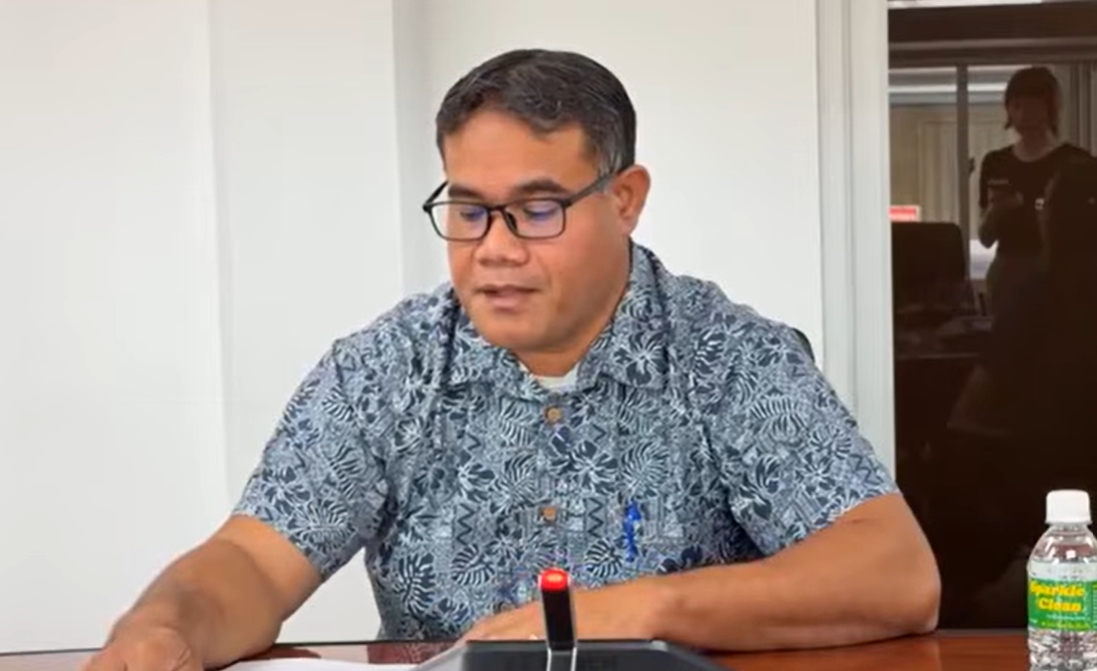
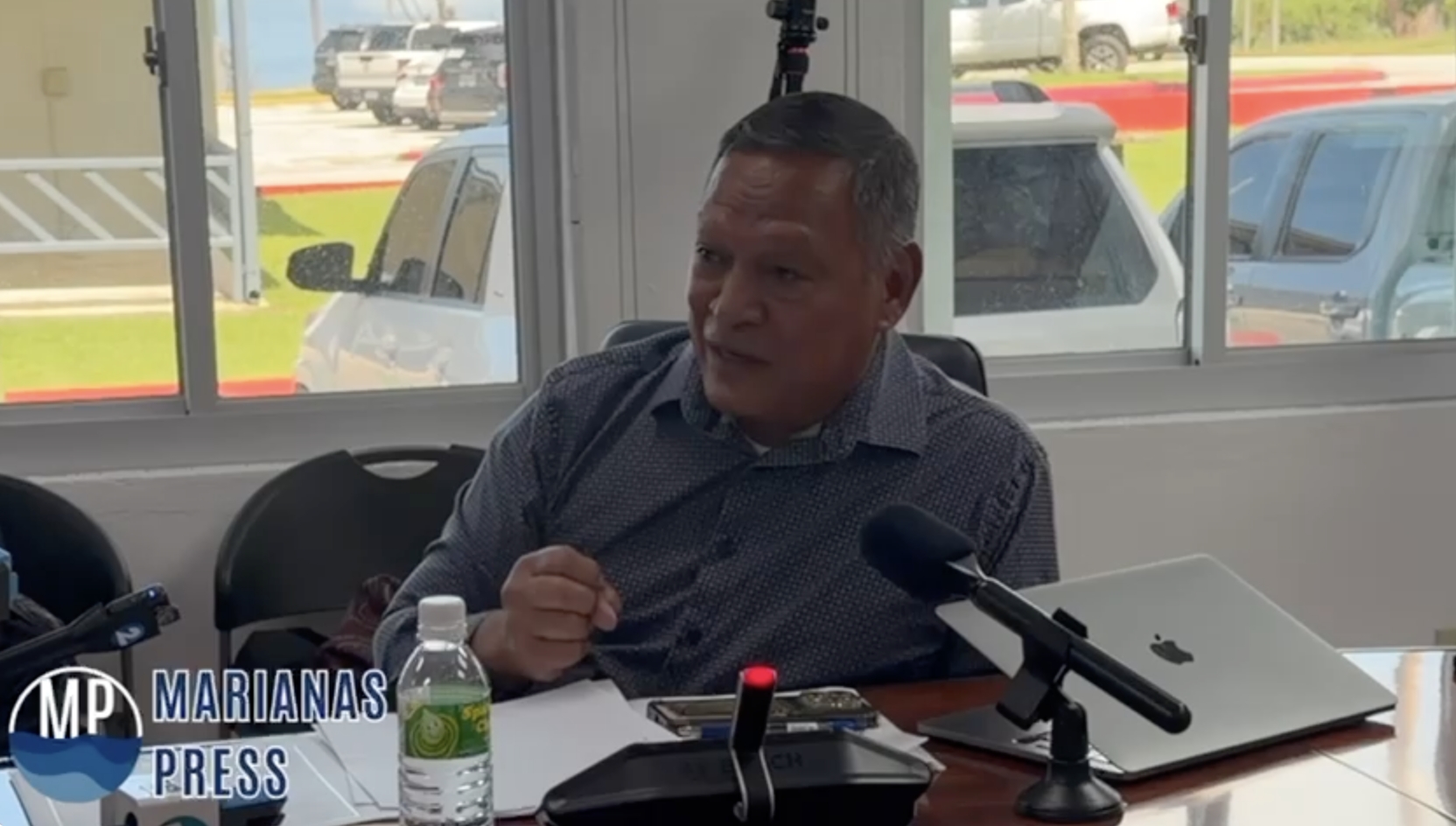
“Today, other than the built metals that you see, everything else has been properly reduced and recycled and disposed,” Yumul said during a walkthrough of the site with representatives of the Federal Emergency Management Agency and U.S. Army Corps of Engineers last Aug. 17.
According to figures subsequently provided to Marianas Press by USACE Public Affairs’ Jeff Henon, about 150,000 cubic yards of debris were handled through the recovery operation. That included approximately 94,000 cubic yards of vegetative debris, 32,000 cubic yards of construction and demolition debris, 25,000 cubic yards of metal, and 900 cubic yards of electronic waste.
To put the volume into perspective, USACE said that if all the debris were piled onto a football field, including the end zones, it would stand a little more than seven stories high.
Another 3,500 white goods, including refrigerators and air conditioners, were collected. The amount of household hazardous materials was still being tallied.
Yumul said the remaining metals at As Gonno will be removed by recyclers, with agreements for their final disposition being completed. The goal, he said, was to make sure the temporary debris site did not become a permanent dumping ground.
“Nothing is going to remain here, and as you can see, they did a great job,” Yumul said.
The transformation is a far cry from the height of the cleanup, when debris accumulated several stories high at As Gonno.
Yumul said more than 3,000 appliances had been turned in for recycling, along with large amounts of solar panels, electronics, metals, and household hazardous waste ranging from used motor oil to pesticides and paint.
“It towered way over, what, three, almost four stories high,” Yumul said.
Vegetative debris was mulched, with some of the material made available to the community for agricultural use, farming, and planter boxes. Construction and demolition debris was also reduced before being taken to the landfill for final disposal.
FEMA Critical Infrastructure Branch director Traci Knox said restoring the temporary staging area was an important part of the recovery effort.
“When we first got it, you know, it was a lot of work. And with Army Corps Engineer and Captain Patel, everyone's input, the way it looks now is amazing,” Knox said. “And actually, we're giving it back even better, as they stated earlier.”
U.S. Army Corps of Engineers’ Capt. Punit Patel, meanwhile, credited cooperation among federal and Commonwealth agencies, contractors, and other partners for completing the operation.
“This debris response mission and honestly any emergency operation requires tremendous levels of interagency cooperation,” Patel said.
Yumul said processing the debris instead of simply dumping it also preserved valuable space at the Marpi landfill—an important consideration for an island with limited land.
“We did save our landfill a huge amount of volume because we were able to reduce smartly, and with the help of Army Corps and FEMA, we were able to remove a lot of the materials that needed to be recycled out of the Commonwealth,” he said.
Yumul also thanked residents of the nearby Tototville and greater Koblerville areas for their patience during roughly four months of debris processing operations.
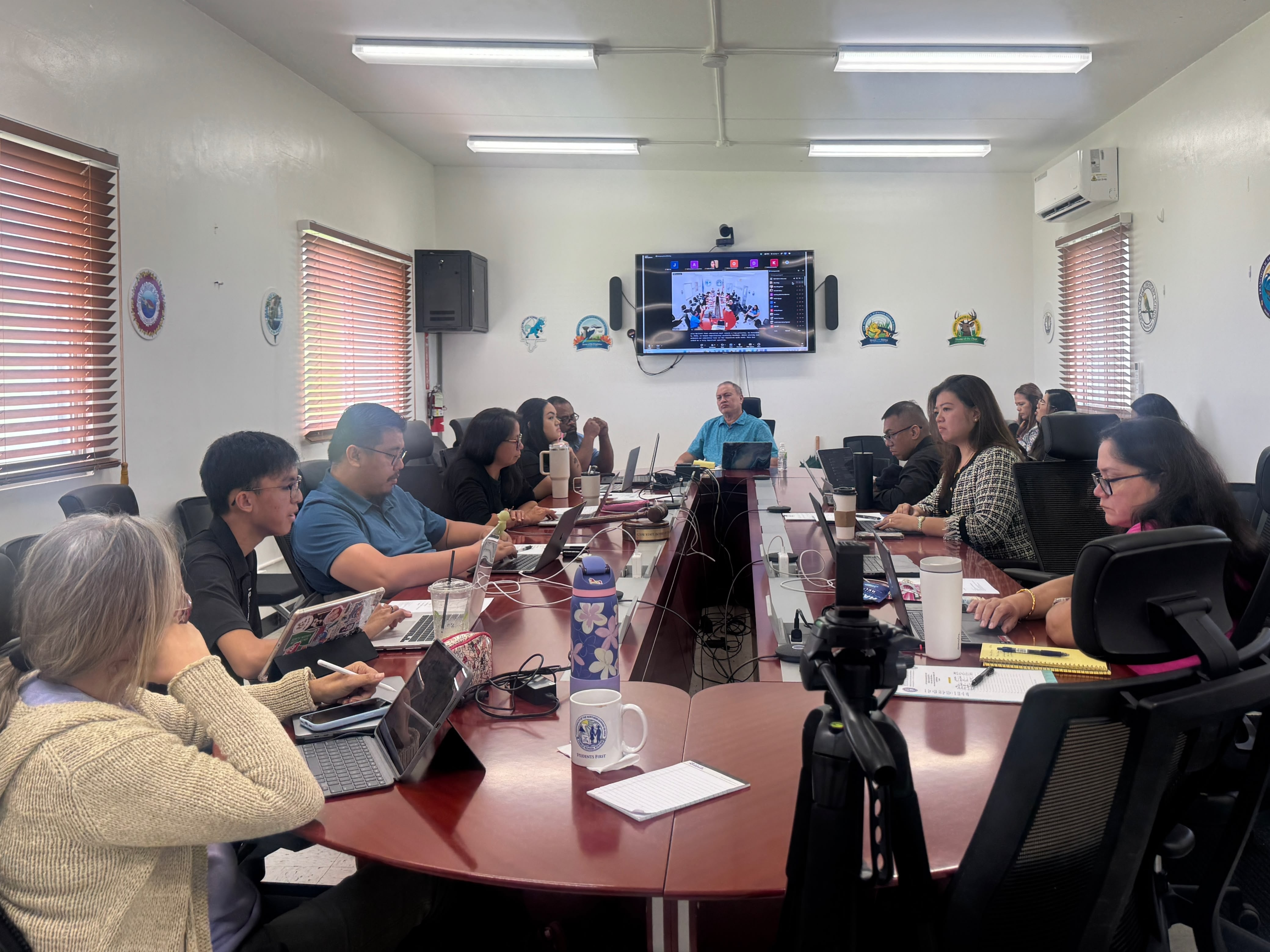
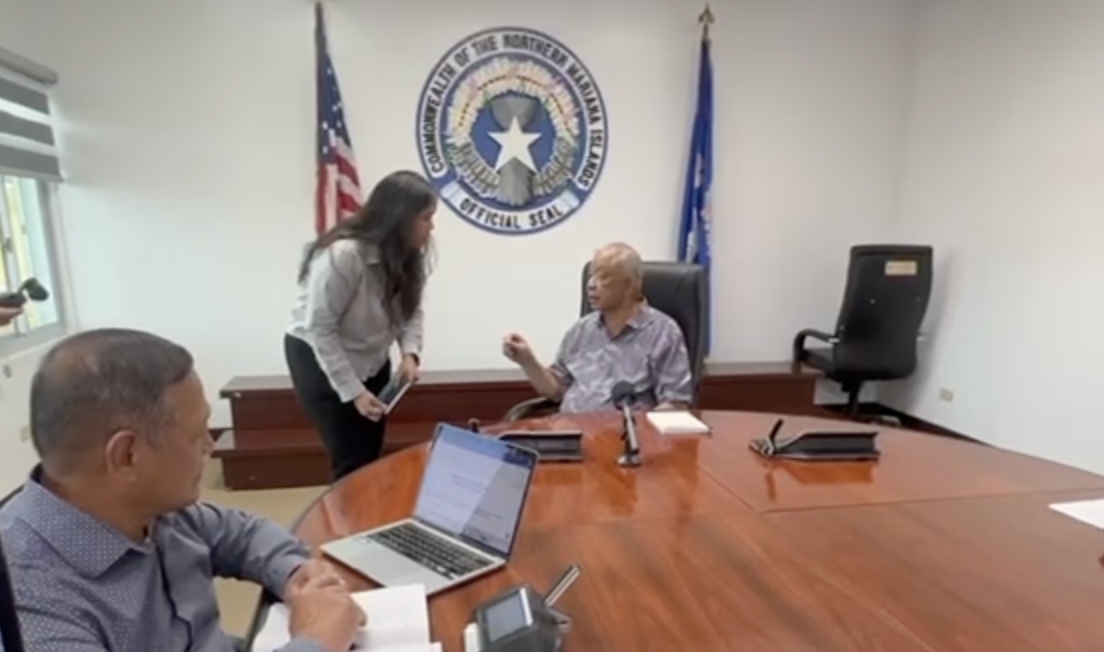
Last Monday’s walkthrough was part of the process of returning the property to the Commonwealth. Yumul said DPW had obtained a permit to use Department of Public Lands property for the temporary debris operation, and the agencies were inspecting the site before formally signing off on its return.
He said DPW, USACE, prime contractor ECC, regulatory agencies, and DPL wanted to make sure there were no pending issues, concerns, or environmental impacts before the property was formally reverted.
“Their mission here is to kind of reset the commonwealth to bring us to pre-typhoon condition, and I believe they did that, and they did that overwhelmingly well,” Yumul said of FEMA and its federal partners.
Share this article: