DFEMS PIO heads to Colorado after 10 years of service
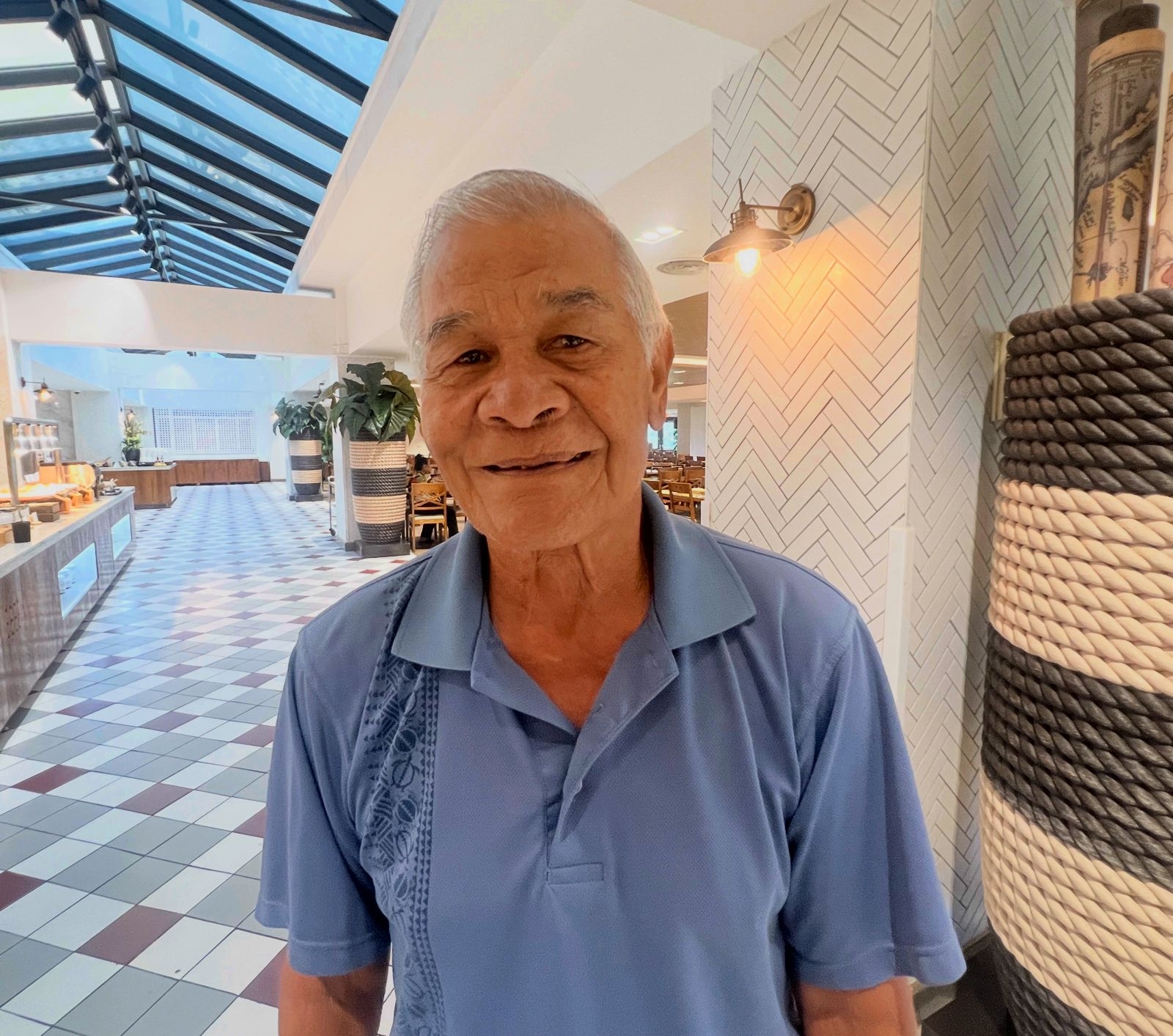
Firefighter and longtime Department of Fire and Emergency Medical Services public information officer Robert C. Mojica is saying goodbye to the department after 10 years of service that took him from responding to medical emergencies and fires to becoming one of DFEMS’ most recognizable faces during disasters.
Mojica is leaving the CNMI because his wife has been called to active duty and will be stationed at Fort Carson, Colorado.
“My wife just picked up for active duty. We're going to Fort Carson, Colorado. That's where she's going to be stationed, so I'm going to be moving to her over there,” Mojica told Marianas Press in an interview Tuesday, Sept. 29.
He is scheduled to leave Saipan on Oct. 4.
Taking over as DFEMS public information officer will be Firefighter Dwayne Castro, who Mojica said has been preparing for the role by shadowing him for some time.
Mojica joined the DFEMS academy in April 2016 and graduated July 1 of that year. He initially worked in operations before moving into an administrative role handling records and data.
A change in DFEMS leadership eventually brought another change to his career. Mojica was tapped to work in public information under then-PIO Firefighter Derek Gersonde. When Gersonde left the position, Mojica inherited the job, which he said he has held since around 2020 or 2021.
Being PIO, however, never meant Mojica stopped being a firefighter and emergency responder.
He recalled having to juggle assisting crews at emergency scenes with documenting their work, gathering information and keeping the media and public updated.
That sometimes meant helping fellow responders one minute, taking photos the next and then stopping long enough to give a media interview before returning to the action.
Mojica also remained involved with search-and-rescue operations, hazardous-material responses and wildland firefighting activities.
“I couldn't ask for a better job. And it's an honor to be part of the department and in the PIO position,” he said.
Among the defining moments of his DFEMS career were the major disasters and emergencies that repeatedly tested the department.
During Super Typhoon Sinlaku, Mojica was part of a team equipped with chainsaws and service vehicles whose job included clearing fallen trees so ambulances and other emergency vehicles could reach residents.
He recalled one particularly dangerous response in Chalan Kanoa after a man walked to a fire station seeking help for his mother, who was trapped at home with the road inaccessible.
Mojica, rescue personnel, medics and forestry personnel made their way toward the residence as trees and coconuts fell around them. The team eventually reached the woman, carried her to emergency vehicles and got her to a shelter.
Sinlaku kept Mojica on duty from Sunday through Friday as DFEMS shifted from emergency response to recovery operations.
His career also included the COVID-19 pandemic, when firefighters and emergency medical personnel suddenly found themselves dealing with an unprecedented public health emergency.
Mojica was involved in transporting patients, quarantine-site operations, and testing efforts with the Commonwealth Healthcare Corp. He recalled occasions when he spent hours at a time working in protective equipment, including one stretch of roughly 13 to 14 hours in a hazmat suit.
Another challenge facing DFEMS as Mojica prepares to leave is manpower.
Mojica said some personnel are working 48- and 72-hour shifts because of staffing shortages.
“I just hope they all maintain that discipline. They maintain the camaraderie,” he said, later adding that he hopes they preserve “that brotherhood, that familyhood.”
Colorado will give Mojica a chance to catch his breath after years of responding whenever the alarm sounded.
He plans to initially take a break and settle in before looking for another military reserve unit. But firefighting may not be completely in his rearview mirror. Mojica said he intends to explore firefighting opportunities in Colorado, including possible wildland firefighting positions.
What he will leave behind, however, is harder to replace.
Mojica said he will miss the CNMI's people, hospitality, camaraderie, his colleagues at the fire stations and having his children see him at community events and emergency scenes.
“The past 10 years have been extremely amazing. I've been extremely blessed to work with these guys on shift, both Alpha Shift and Bravo Shift,” he said.
One memory that will stay with him came during post-typhoon recovery work. While DFEMS personnel were going from house to house putting up tents for families who had suffered devastating losses, residents still offered firefighters drinks, snacks, food, and water.
Mojica said firefighters sometimes felt uncomfortable accepting anything because those families had lost far more than they had.
Yet the gestures showed him the kindness of a community that, even after suffering a catastrophic disaster, still wanted to take care of the people helping them.
“It was very, very welcoming, very, very humbling, I think,” Mojica said.
And after 10 years of fires, rescues, storms, COVID-19 responses, media interviews and emergency calls, DFEMS’ outgoing spokesman had one last message for the community.
“Stay safe, stay vigilant. You stay classy, see you tomorrow.”
Share this article: