The House of Representatives wants more safeguards over Commonwealth Utilities Corp. customer security deposits before signing off on Senate changes to legislation allowing the utility to borrow up to $40 million.
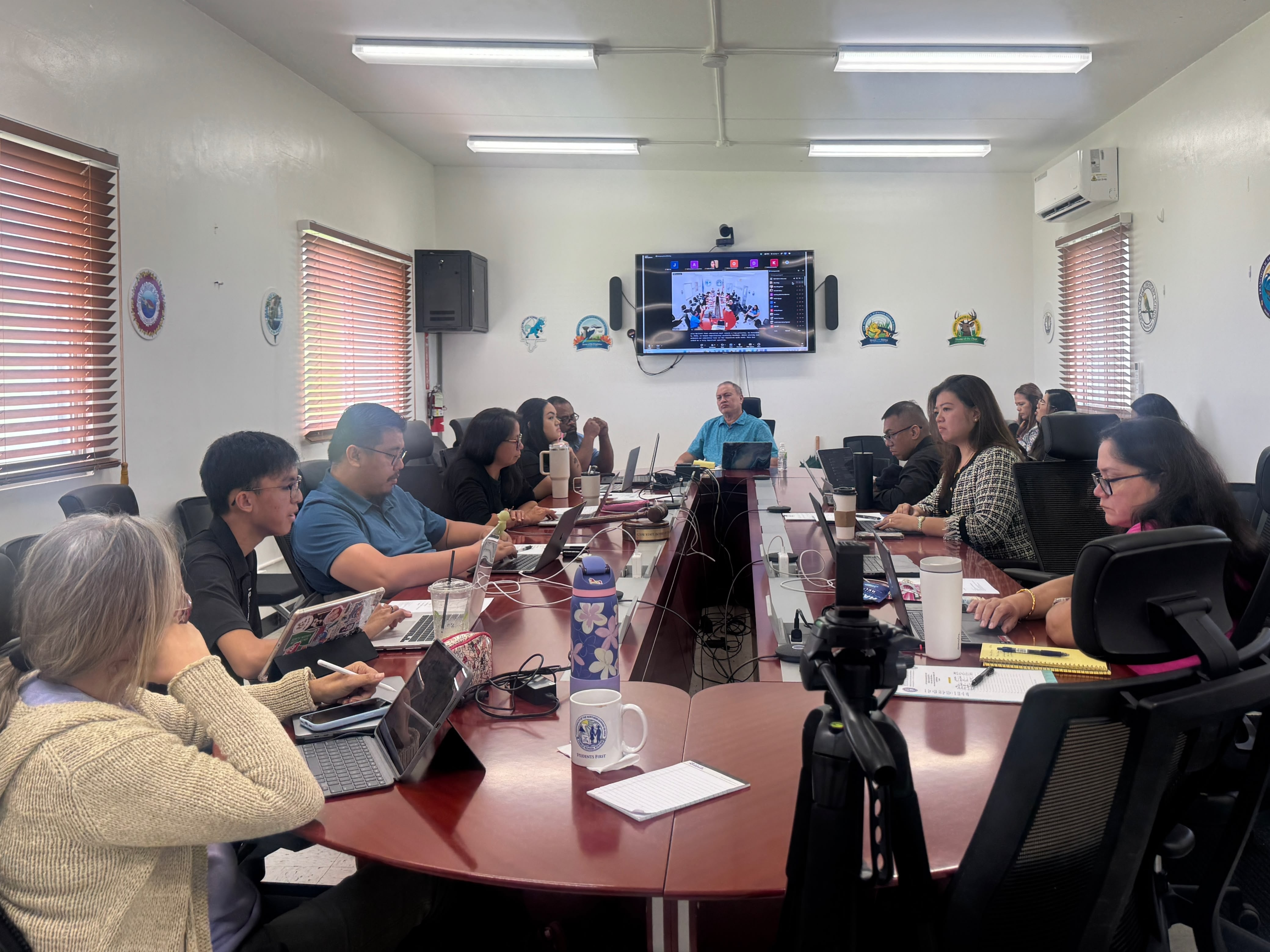
All 19 House members present last Thursday, Aug. 20, voted to reject the Senate-amended version of House Bill 24-107 HD1 and send the measure to a conference committee, where lawmakers from both chambers will try to resolve their differences.
During discussion on Capitol Hill, Rep. Daniel Aquino asked that protections extend beyond residential customers to small businesses, whose security deposits would remain available as collateral under the Senate version.
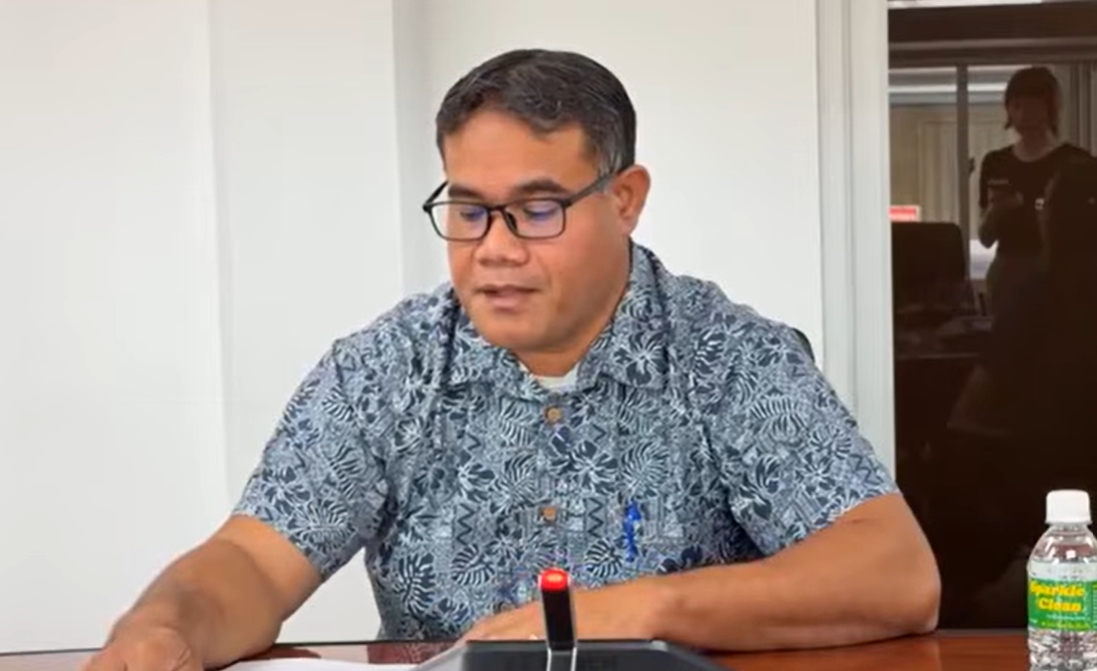
“I'd also like to include that the business security deposits remain untouched, because it doesn't distinguish between big businesses versus the small businesses,” Aquino said.
Aquino said many small businesses have already been hit hard by the typhoons and asked that their deposits also be protected in the conference committee version.
Rep. Vincent Aldan raised a broader concern over whether residential, commercial, and government security deposits can be adequately distinguished if the money is held in a single account.
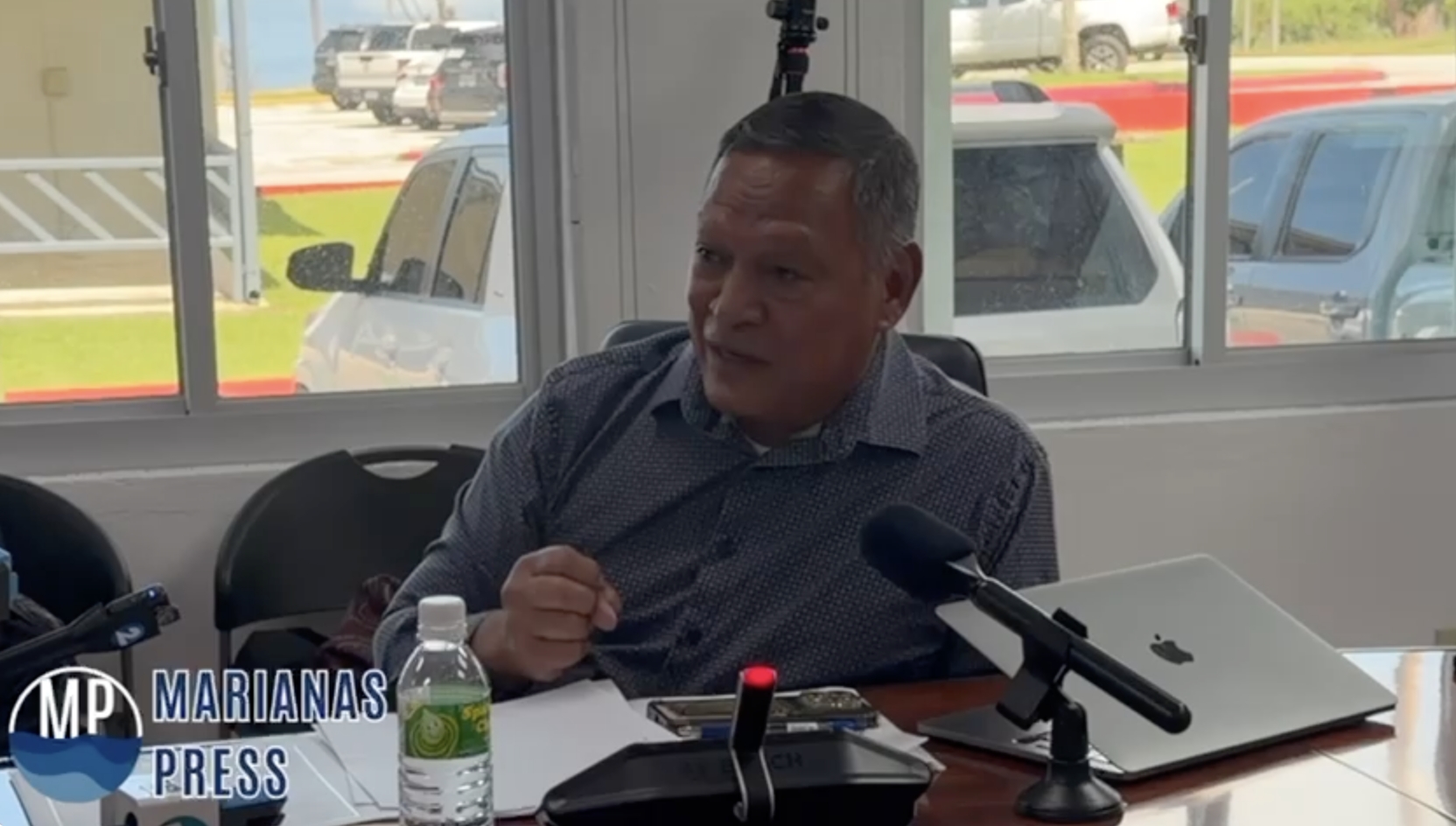
Aldan told lawmakers his office requested an actual bank statement covering the security deposits and, based on what his office received, found only one security deposit account. He questioned how CUC could determine how much of that account belongs to residential, commercial, and government customers.
“So this whole security deposit debacle, you want to put it up for collateral, but yet you cannot distinguish between commercial, government, or residential because it's all in one account,” Aldan said.
Aldan said he has also asked CUC for information on government agencies and branches that owe the utility, whether they still maintain security deposits, and similar information involving businesses with outstanding accounts.
He said lawmakers should have the underlying financial information before moving ahead with the legislation.
“Before we entertain this 107 again, I think the senators might do their due diligence. You know, that before you start talking about security deposit, you better get the numbers,” Aldan said.
Voting yes on the motion to reject the Senate amendments and send the bill to conference were Reps. Roy Ada, Vincent Aldan, Daniel Aquino, Blas Jonathan “BJ” Attao, Roman Benavente, Angelo Camacho, Diego Camacho, Joel Camacho, Joseph Flores, Marissa Flores, Thomas John Manglona, Julie Ogo, Malcolm Omar, Raymond U. Palacios, Elias M. Rangamar, John Paul Sablan, Denita K. Yangetmai, Ralph N. Yumul, and House Speaker Edmund S. Villagomez.
The clerk announced that all 19 members present voted yes, and Villagomez declared the motion carried. Villagomez then appointed Yumul as chair of the House conference committee, with Sablan and Aldan as members and floor leader Rep. Marissa Flores as alternate.
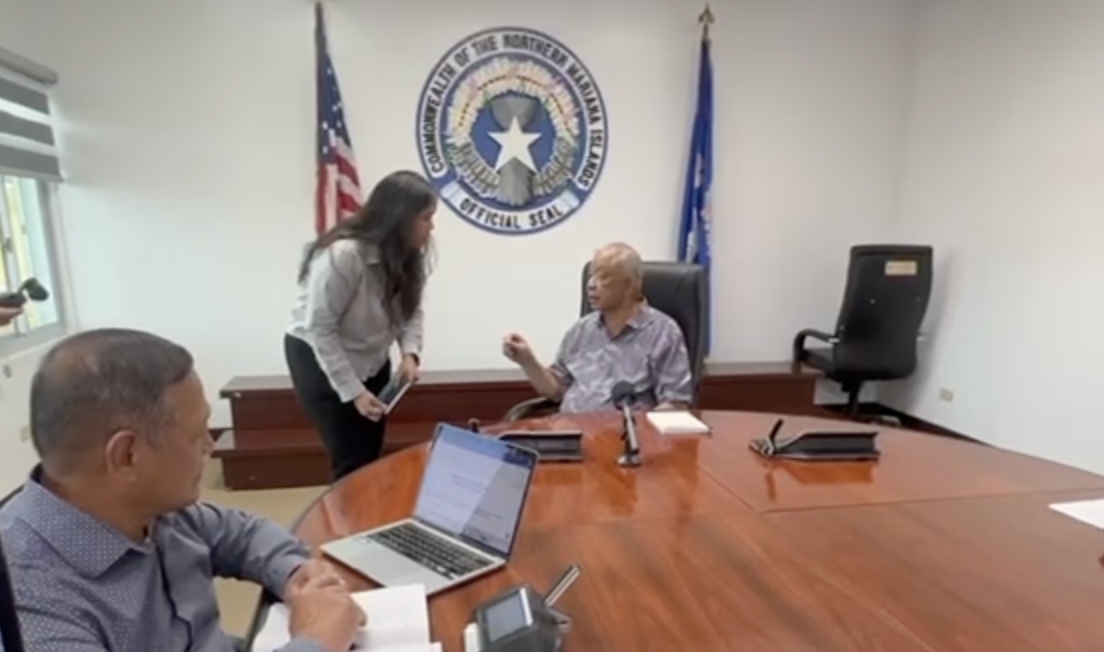
CUC board chair Allen Perez, when asked Thursday for his reaction to the House's rejection of the Senate amendments, said he was not ready to comment.
Resolving the borrowing legislation has become increasingly critical for CUC, which says its cash shortage is hampering typhoon recovery. CUC executive director Kevin Watson told the Commonwealth Public Utilities Commission last Aug. 17 that approximately 3,000 customers remained without power and that the utility had eliminated most overtime and premium pay and put contracts on hold while awaiting action on the $40-million line of credit. CUC legal counsel Michael Ernest said the utility could instead seek a recovery surcharge from ratepayers if borrowing authority does not materialize, although no petition had been filed and borrowing remains CUC's preferred option.
House Bill 24-107 HD1 would authorize CUC to obtain up to $40 million in emergency financing for utility restoration, stabilization, and fuel procurement following super typhoons Sinlaku and Bavi. The Senate unanimously passed an amended version July 30.
Among the Senate changes was removing residential customer security deposits from collateral that could be pledged for financing while retaining commercial and government security deposits. Senators also discussed allowing certain Commonwealth Economic Development Authority dividend payments to serve as additional security.
The House's rejection means the differences between the two versions will now be taken up in conference committee.
Share this article: