Insurance industry faces mounting pressure after Sinlaku as costs rise, coverage tightens
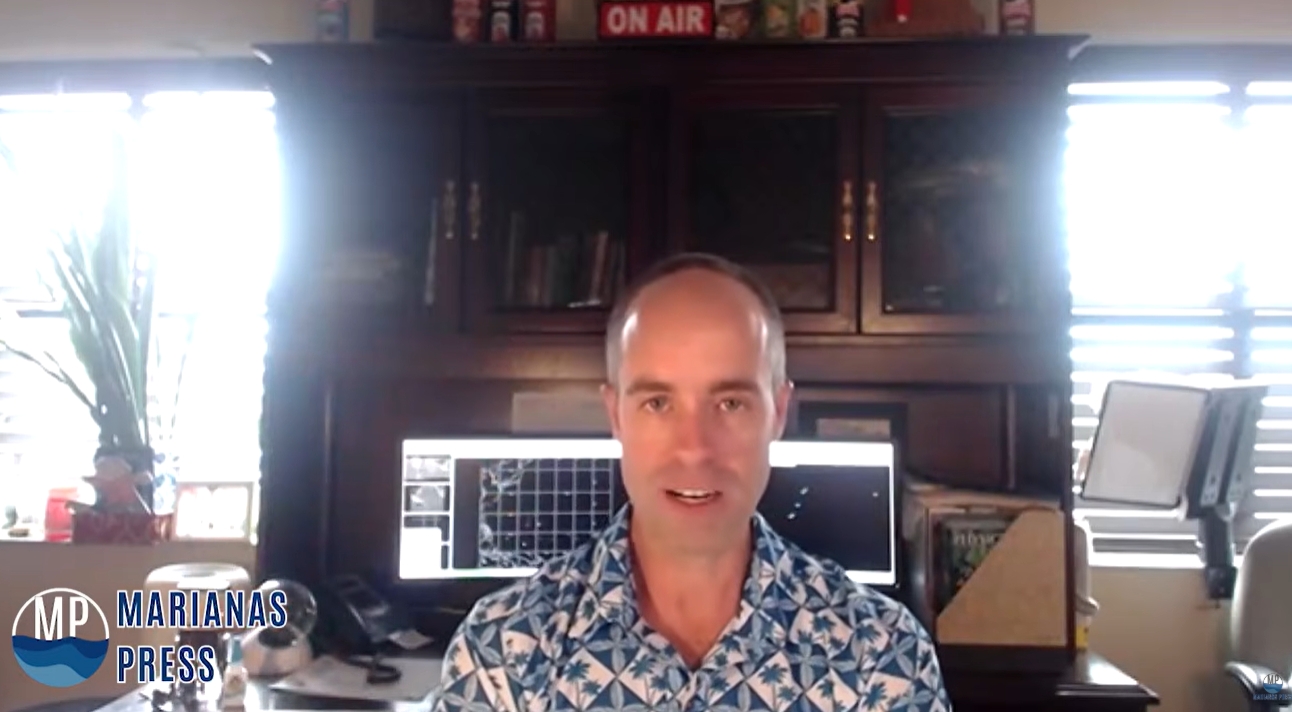
The Northern Mariana Islands' insurance industry remains under intense strain nearly three months after Super Typhoon Sinlaku, with insurers still processing claims while grappling with rising reinsurance costs, shrinking market participation, and declining availability of typhoon coverage for some vehicles, according to the head of the Northern Marianas Insurance Association.
Association president Gol Corpuz said insurers have already resolved about two-thirds of Sinlaku-related claims but expect the process to continue for up to a year, similar to the recovery following super typhoons Soudelor and Yutu.
"We're expecting it to last maybe within a year, just like we had before with Soudelor and Yutu," Corpuz said.
Corpuz estimated total property losses from Sinlaku at roughly $500 million to $600 million, but said only about $100 million worth of those losses were insured.
"Not too many people are covered by typhoon," he said, explaining that many homeowners and businesses either cannot afford the additional coverage or do not fully understand its benefits. He added that many people who sought denial letters for FEMA and other disaster assistance programs simply had no typhoon coverage in the first place.
Corpuz said expanding insurance participation would benefit both consumers and insurers by spreading financial risk across a larger customer base.
"That's the principle of insurance. Spreading the cost. Spreading the risk," he said.
He said increasing participation could eventually help stabilize premiums because more policyholders would contribute to the overall insurance pool.
The industry, however, is facing new challenges after repeated destructive typhoons over the past decade.
Corpuz confirmed that some insurance companies have either stopped offering typhoon coverage for motor vehicles or now provide it only under much stricter terms.
"For the most part, yes, but there's still some companies that would still consider that, but on very restrictive conditions," he said.
He noted that some insurers have already increased typhoon deductibles for automobile policies from about $100 to the industry-standard $500 following Sinlaku.
The challenges extend beyond local insurers, who themselves rely on large international reinsurance companies to absorb catastrophic losses.
"We as insurance company, we also insure ourselves," Corpuz said. "They charge us so high premium that we need also to pass to our customers."
He said one major reinsurer had already exited the CNMI market and warned that two more major insurance providers could leave the islands before the end of the year because of repeated typhoon exposure and limited profitability.
"We have at least 10 to 13 companies that are active, but there are two players in the Top 5 might withdraw in the island before the end of the year," Corpuz said.
He said the departures could further reduce competition and place additional upward pressure on insurance premiums.
"If you have little supply and you have demand, of course, the premium will go high," Corpuz said. "That's why we need more players to replace those two big ones that are departing before the end of the year."
Corpuz also pointed to global climate-related disasters—including hurricanes, earthquakes, and increasingly powerful typhoons—as factors affecting worldwide insurance and reinsurance markets.
He said public education remains the industry's best long-term solution, noting that the association has partnered with the Office of the Insurance Commissioner and Department of Commerce to conduct insurance awareness clinics and hopes to expand outreach efforts to schools and community organizations.
"In my opinion, No. 4 is insurance," Corpus said, referring to humanity's basic needs after food, shelter, and clothing.
He urged residents to protect their homes, businesses and vehicles before the next disaster strikes.
"If you have the funds, you need to save some money, because that will protect your investment in the long run," Corpuz said.
Share this article: