Long-awaited Disaster NAP approved for CNMI nearly two months after Sinlaku
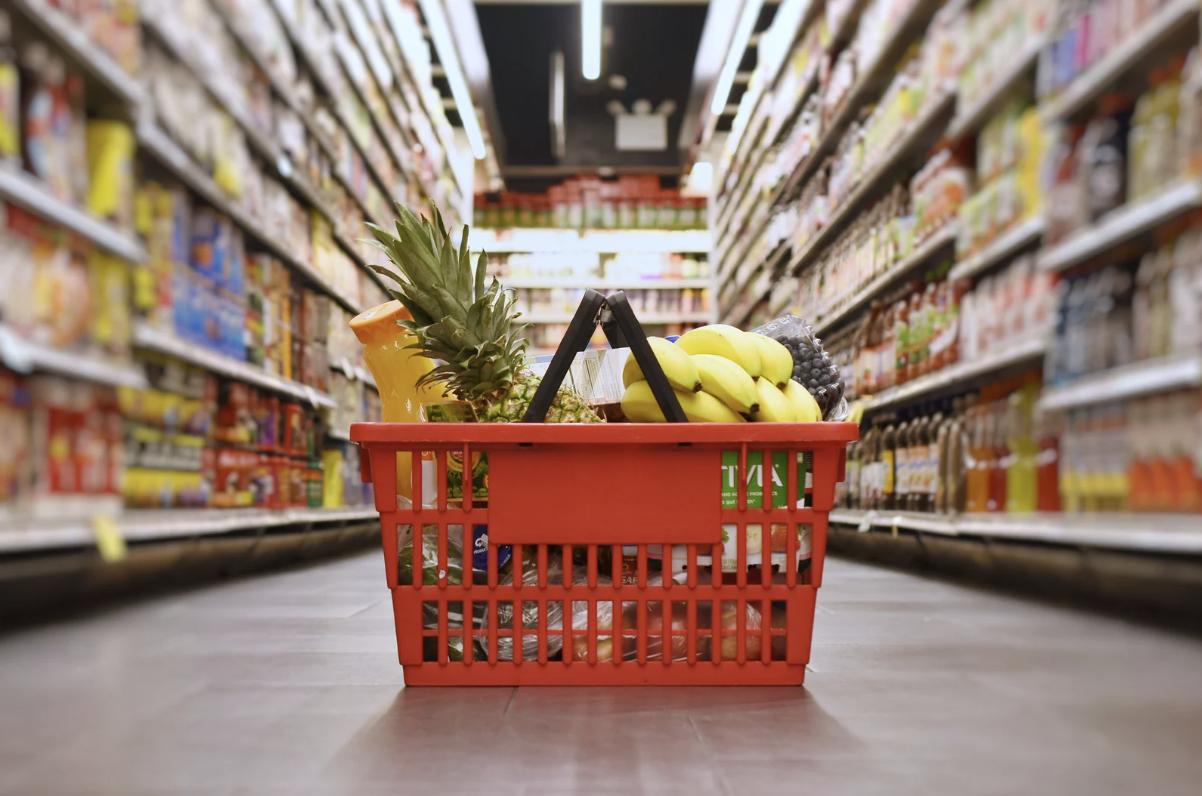
Nearly two months after Super Typhoon Sinlaku devastated the Commonwealth, the long-awaited Disaster Nutrition Assistance Program, or D-NAP, has finally been approved, opening the door to nearly $40 million in food assistance for affected households across the CNMI.
Delegate Kimberlyn King-Hinds announced the approval in the early morning of June 9, calling it "very welcomed news" for families still struggling to recover from the storm.
Department of Community and Cultural Affairs Secretary Francisco A. Rabauliman said he received official notification of the approval from Dr. Muzafar Makhdoomi, regional administrator for the Food and Nutrition Administration, and credited a broad coalition of local and federal partners for helping secure the assistance.
"It has been a huge collaborative effort and I would like to extend my appreciation to the many local and federal agencies that contributed to the arduous work that led us to this point," Rabauliman said. He specifically thanked the U.S. Department of Agriculture, Federal Emergency Management Agency, the Food and Nutrition Administration, Gov. David M. Apatang, King-Hinds, NAP staff, and DCCA personnel.
According to King-Hinds, USDA approved additional nutrition assistance under its disaster authorities, allowing enhanced benefits for existing Nutrition Assistance Program recipients while also extending temporary assistance to residents who normally may not qualify for NAP but suffered typhoon-related losses and hardships.
For households already receiving NAP benefits, USDA approved the maximum benefit amount plus an additional 20% increase for six months.
In addition, Disaster NAP was approved for two months to assist households affected by Sinlaku.
"I know a lot of folks have been asking about that and that has been approved for two months," King-Hinds said.
The delegate said the federal approval could result in nearly $40 million in food assistance reaching CNMI households.
USDA's approval also includes oversight requirements intended to ensure compliance with federal regulations. Before a second month of D-NAP benefits is distributed, USDA will review the program and verify that compliance requirements are being met and that assistance is reaching eligible recipients.
King-Hinds cautioned residents not to expect immediate distribution of benefits, noting that local officials must still finalize implementation details, including application procedures, eligibility requirements and distribution schedules.
"Approval doesn't mean you're going to get this tomorrow because the folks on the ground still need to finalize implementation details, including application procedures, eligibility guidelines and timelines for benefit distribution," she said.
She urged residents to be patient while NAP staff complete the rollout process.
"Help is on the way," King-Hinds said. "But let NAP get to the work of making sure that they do this the right way and that they roll out this program the way it's supposed to be rolled out."
The approval comes as many families continue rebuilding after Sinlaku caused widespread damage to homes, businesses, public infrastructure and agriculture throughout the CNMI.
Additional information on eligibility, application procedures and benefit distribution dates is expected to be released once local implementation plans are finalized and approved.
As for actual implementation, Rabauliman said NAP will make announcements soon.
“[Everyone should] be expecting further public notification. Implementation of the operational plan begins but we expect two on-site technical support staff from [Food and Nutrition Service] before distribution.”
Share this article: