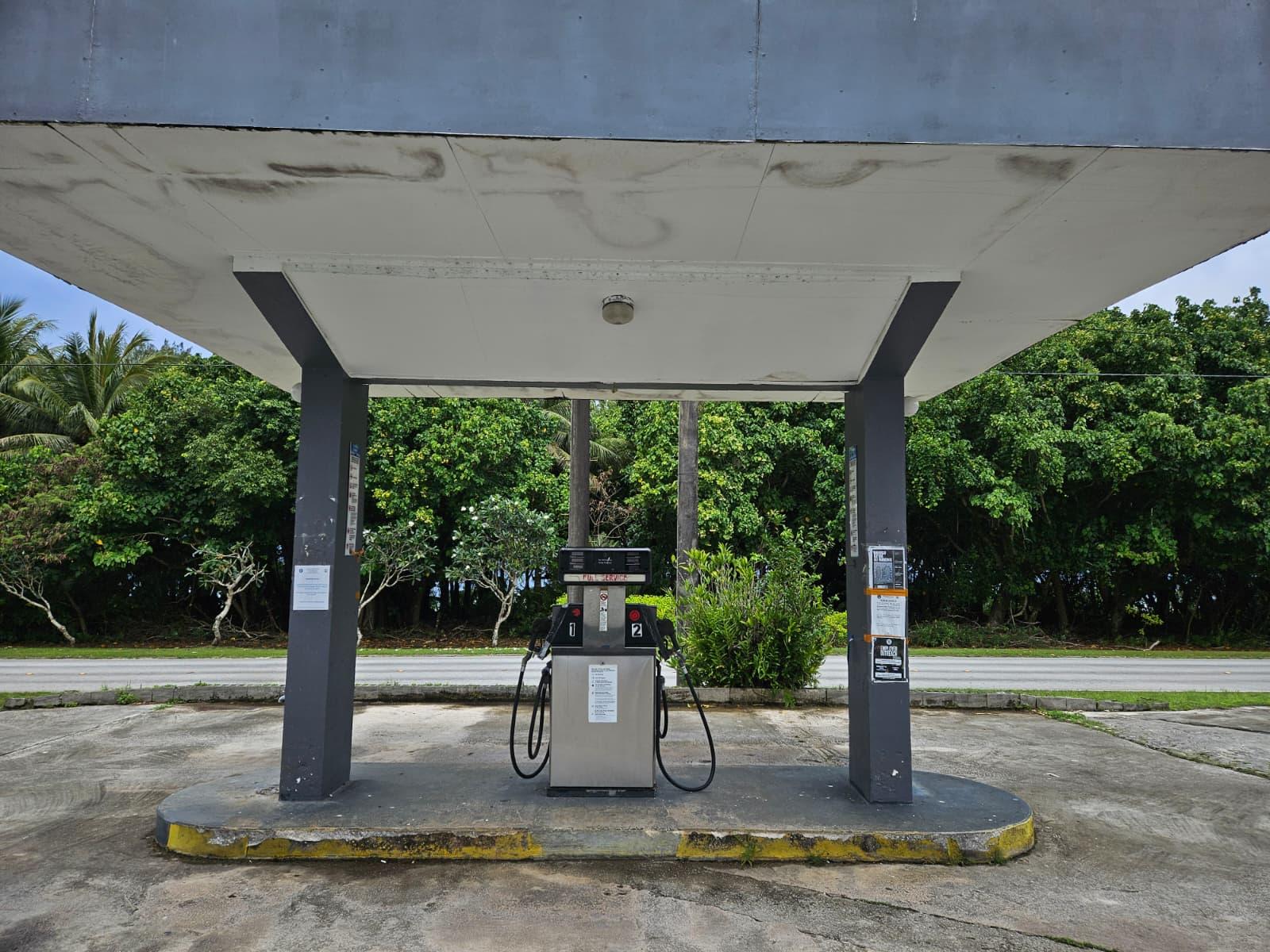
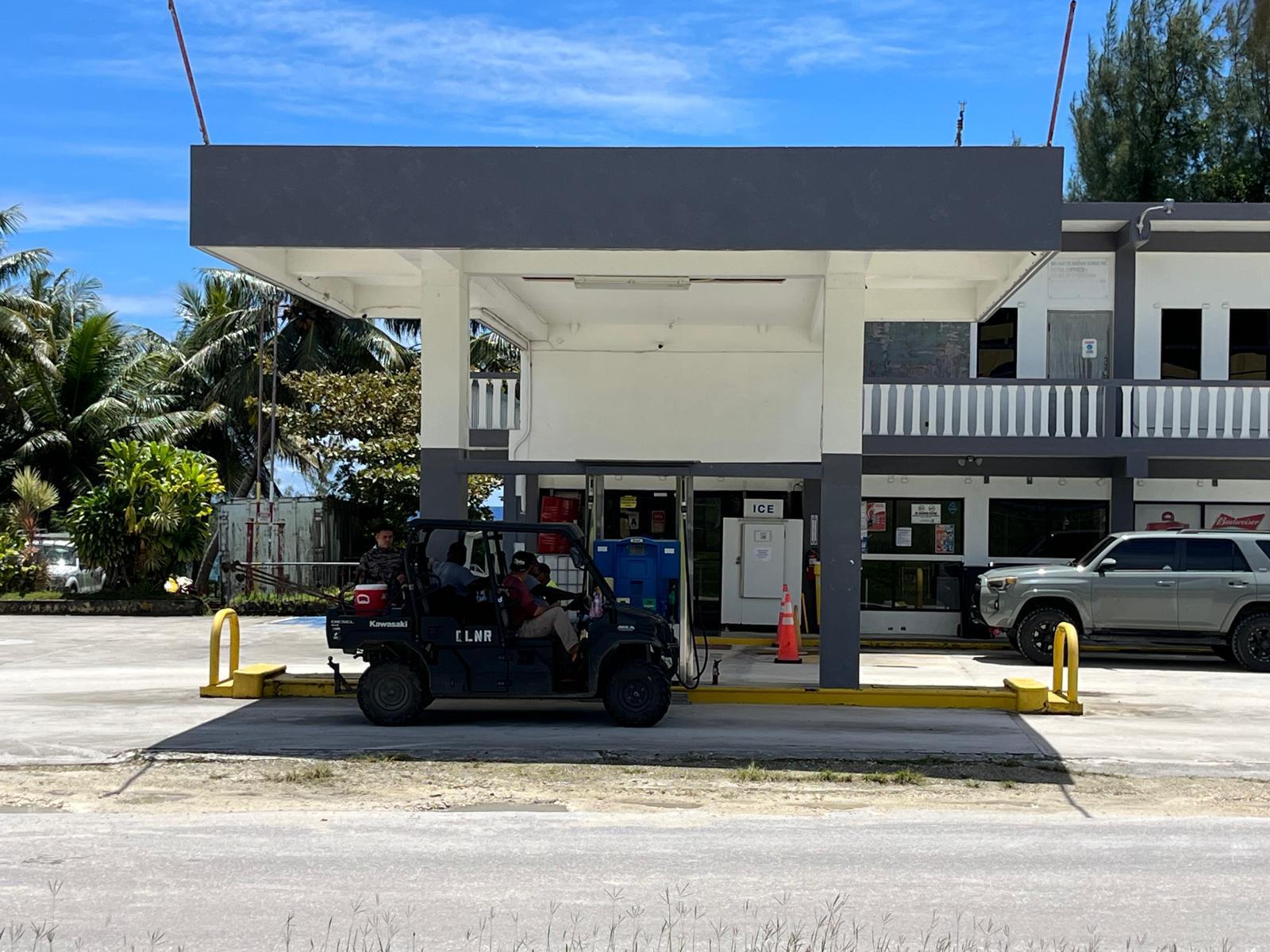
Gas prices on Rota hit an all time high in years, at $7.84 and $7.99 between its only two gas stations. Meanwhile, diesel prices have followed suit, at $10.02 and Rota residents, department heads, local business owners, and community leaders brace for the potential impacts to daily operations.
According to Rota Mayor Aubry M. Hocog, this upward surge in fuel costs has greatly impacted her office’s daily operations along with that of other local government departments whose fuel funding gaps are filled by the Rota Mayor’s Office (MOR) budget. Mayor Hocog shares with MP, “After [the] man-amko’ Easter program, we’re slowing things down. We will park all vehicles except the beautification team who go out and pick up trash daily. We need to conserve.”
Despite the worries, Mayor Hocog continues to seek innovative solutions to adjust to the disruption of global oil market trends. “We see the rising prices now but it will not deter us from doing what we need to do. We just need to be more efficient in planning for services.” She suggests maximizing the deployment of heavy-duty equipment while they are in a specific location, to avoid repeat mobilization to agricultural homesteads for example, as one of the ways they could cut costs for fuel. The mayor also encourages residents to avail of the Commonwealth Office of Transit Authority (COTA) services while transportation is still free.
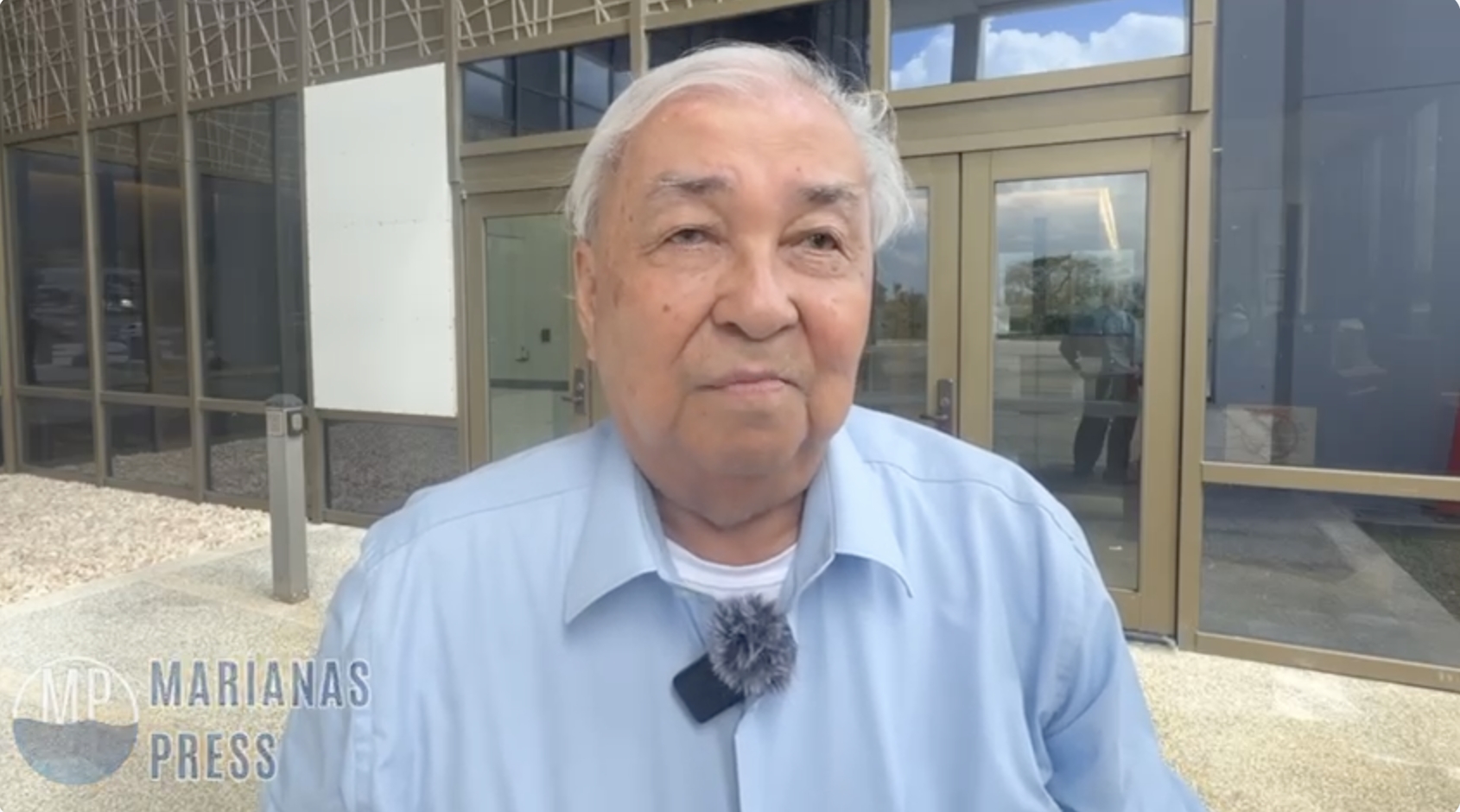
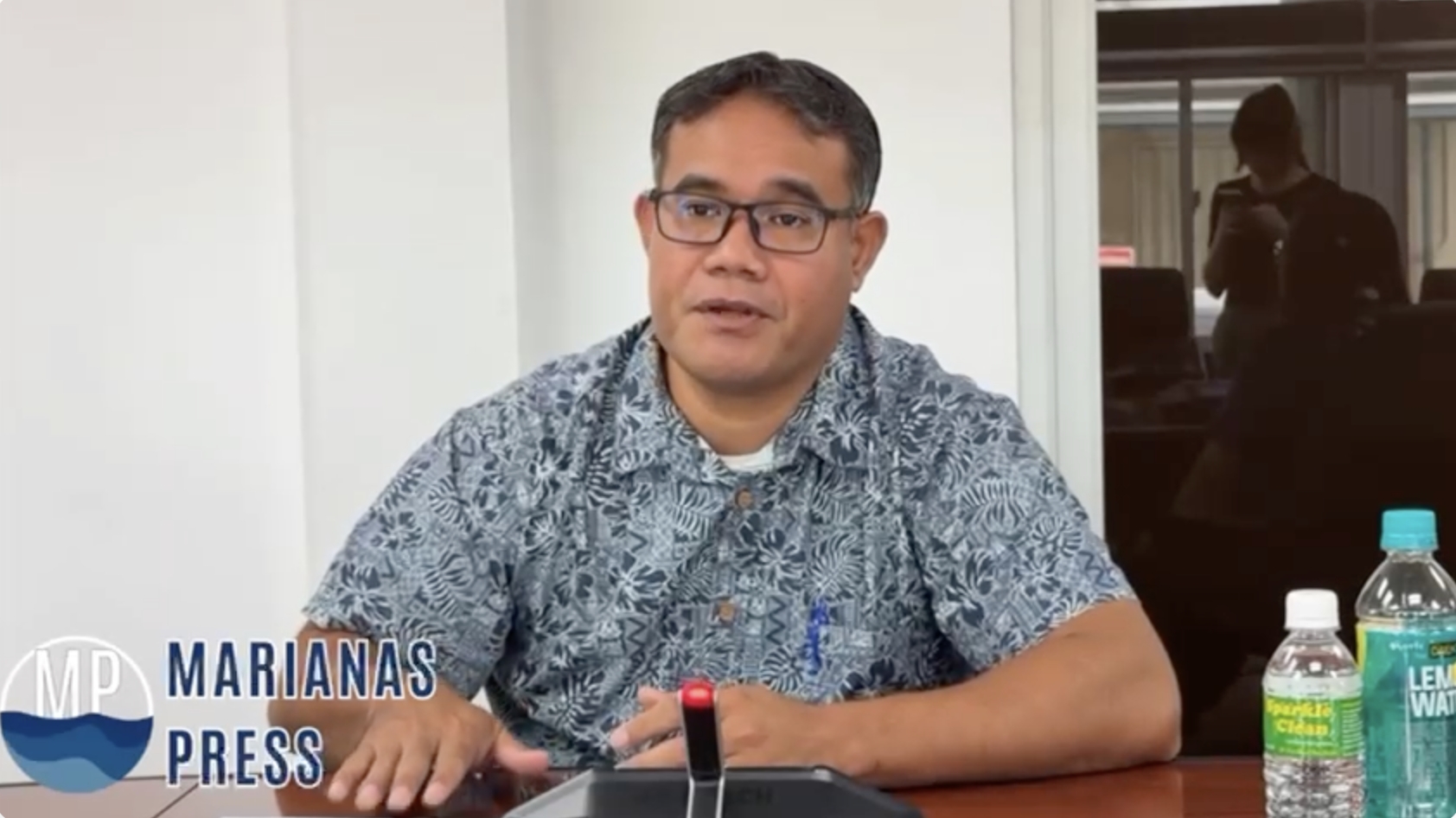
According to several department heads, their respective allocated fuel budgets seem to endure the rising fuel costs, for now. Department of Fire and Emergency Medical Services’ (DFEMS) Commissioner Director Manuel Atalig stated that although it is too soon to gauge the consequences of the rising costs of fuel, it's the combination of that, austerity and budget cuts that make operations difficult. Commissioner Atalig along with Department of Public Works (DPW) Resident Director George Atalig, attribute the supplementary fuel funding from MOR as their departments’ saving grace. Atalig adds that there are steps in place to ensure that DPW services aren’t significantly interrupted in response to the rising costs of fuel, however he stays hopeful that it will remain a last resort.
Meanwhile, many local businesses fear the ripple effects of rising fuel prices, trickling down to shipping fees that may force an increase in costs of products or services their companies provide. The overall sentiment shared by many grassroots enterprises on Rota or those who provide services to the island, is the hope that they will be able to absorb and sustain their businesses amid pressures of the global oil industry adequately enough, so that the people of Rota won’t have to bear the impacts themselves.
According to Star Marianas President Shaun Christian, their fleet operates on specialized grade fuel that they have to outsource from either Korea or the U.S. mainland. This outsourcing alongside port logistics, shipping costs, and unpredictable sea conditions play a significant role in their abilities to continue to provide services to the Marianas.
Christian adds that SMA strategically maintains enough fuel on hand in Saipan and Rota to last several months. “We understand that world conflicts are driving up energy costs globally. However, because of the current reserves, SMA is committed to absorbing these pressures for as long as possible. Our goal is to avoid any changes to ticket prices over the coming months, providing much-needed stability for our passengers in the Marianas.”
Share this article: