Solving for X - Tinian Ocean Science Club and Community Unite to Plant 40 Trees in San Jose, Strengthening Environmental Stewardship in Tinian
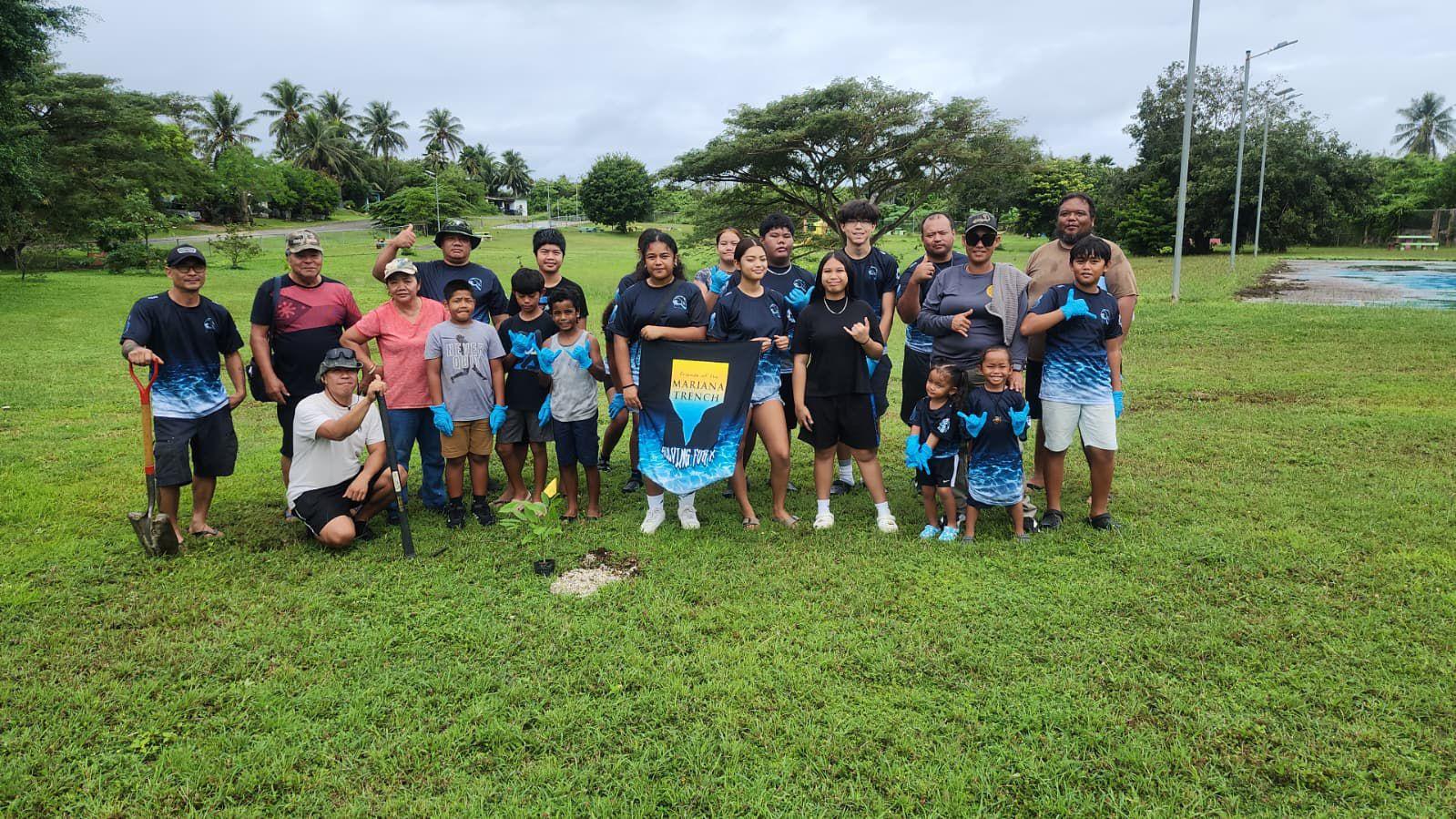
SAN JOSE, TINIAN (March 14, 2026) - A collaboration between Friends of the Mariana Trench Ocean Science Club, students, partner organizations, and community members came together on Saturday, March 14, 2026, from 8:00 a.m. to 3:00 p.m. for a meaningful tree-planting event at the Children’s Park in San Jose Village, Tinian.
The initiative brought together 16 students and 4 volunteers, alongside representatives from the Division of Fish and Wildlife (DFW), University of Washington (UW), and Pacific Coastal Research and Planning (PCRP). These partner organizations played an active role in supporting and guiding the activity, contributing expertise and reinforcing the importance of collaborative environmental efforts.
Together, participants successfully planted a total of 40 trees, consisting of both native and fruit-bearing species. These included Panama Cherry, Gulos, Tangerine, Lemon, Local Orange, Granada, Ifit, Nara, Mango, Guava, Laguana, Dokdok, Atis, Mountain Apple, Star Apple, and Ilang-Ilang - carefully selected to enhance biodiversity, provide food sources, and contribute to a healthier ecosystem.
Funded by the Administration for Native Americans (ANA), Solving for X aims to create pathways to increase community interest in natural resource management policy and careers, while encouraging hands-on learning around real-world environmental challenges. This event supports Friends of the Mariana Trench’s (FOMT) mission to promote ocean conservation through education, community engagement, and youth leadership.
The event highlighted the importance of planting both native and fruit trees as a long-term investment in environmental sustainability and community well-being.
“Planting native trees and fruit trees is important for both the environment and people,” said Alvin John, OSC Club Advisor. “Native trees are species that naturally grow in a region. They support local wildlife, improve soil health, and require less maintenance since they are adapted to the local climate. Fruit trees provide fresh, nutritious food, improve food security, and promote greener communities. Together, they help protect the environment while benefiting people with cleaner air, healthier ecosystems, and sustainable food sources.”
Beyond environmental impact, the activity also provided a meaningful and personal experience for those involved.
“For the planter, planting native and fruit trees is more than just an environmental effort; it is a deeply rewarding experience,” John added. “It builds a connection to nature and a sense of contribution, knowing that each action supports wildlife and benefits the community. Watching a tree grow and eventually bear fruit brings a lasting sense of achievement, while also promoting health, reducing stress, and creating a legacy for future generations.”
He further emphasized the deeper meaning behind each tree planted, stating that every native and fruit tree we plant is a promise of life for nature, of nourishment for the future, and of hope that our small hands can grow a greener, kinder world.
Organizers noted that events like this not only contribute to environmental restoration but also empower youth and community members to take an active role in shaping a more sustainable future. By combining education, collaboration, and hands-on action, the tree-planting effort reflects a growing commitment within Tinian to protect natural resources and strengthen community resilience.
Community members are encouraged to continue supporting similar initiatives and to take part in efforts that promote environmental care, sustainability, and shared responsibility for the island’s future.
For more information about Friends of the Mariana Trench and upcoming volunteer opportunities, please contact info@friendsmarianatrench.org or follow FOMT on social media @friendsofthemarianatrench.
FOMT Ocean Science Club activities are made possible through Grant Number 90NA8489 from the Administration for Native Americans. The content of this press release is solely the responsibility of the authors and does not necessarily represent the official views of the Administration for Native Americans or the U.S. Department of Health and Human Services.
Share this article: