Commonwealth Utilities Corp. board member Simon A. Sanchez II has proposed imposing a surcharge on government utility accounts, including the Commonwealth Healthcare Corp., to recover millions of dollars in unpaid electricity bills over a shorter period.
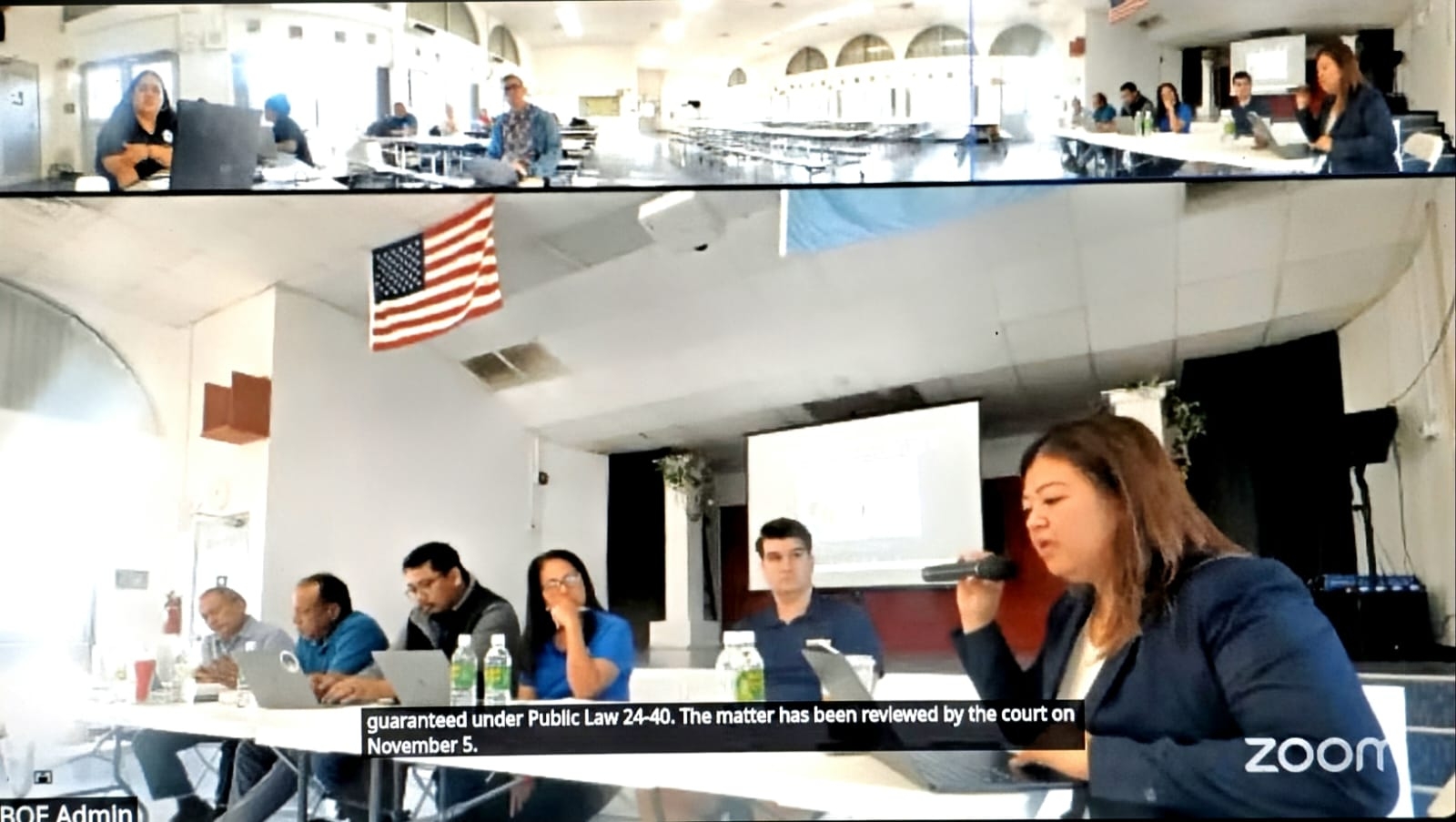
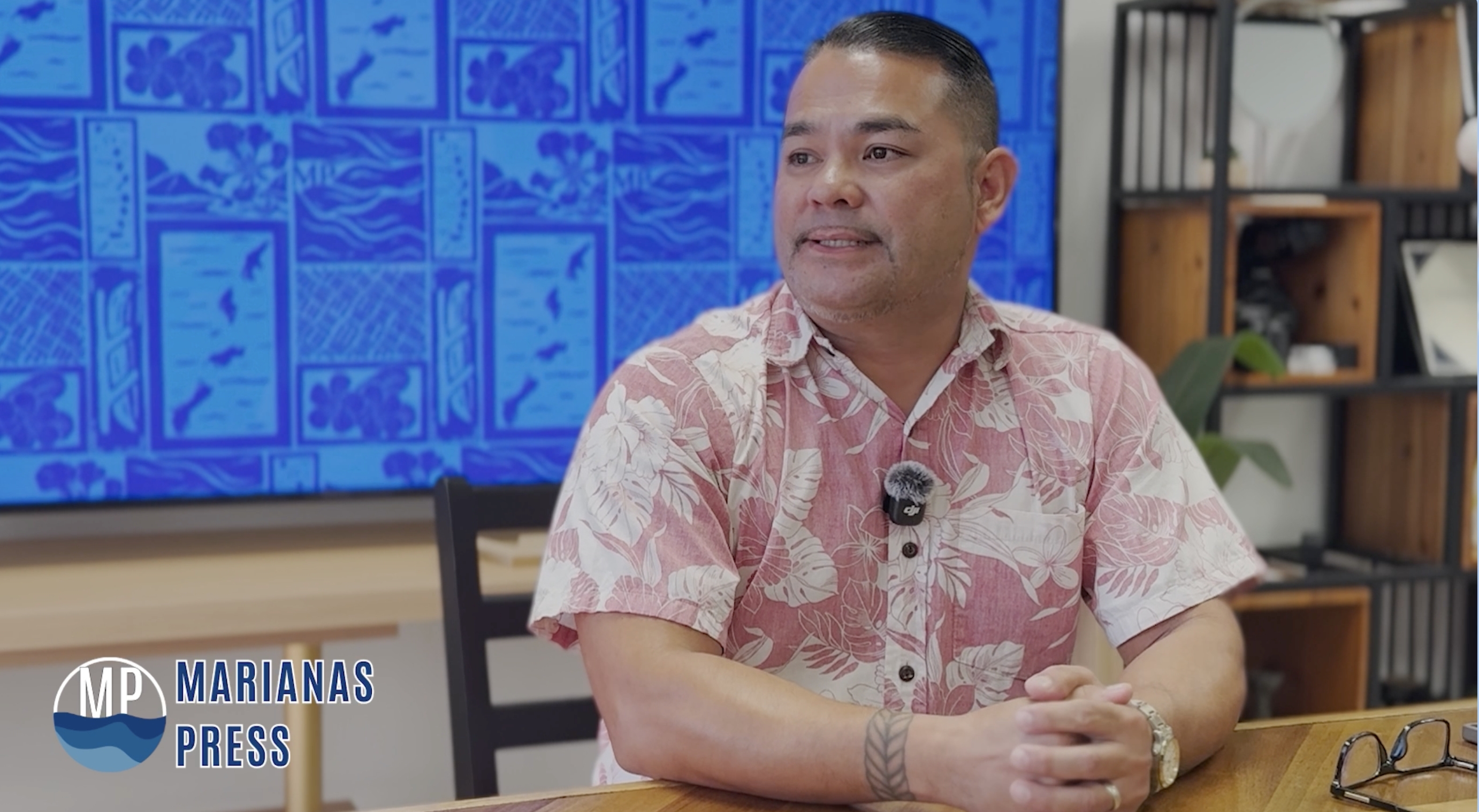
Sanchez made the proposal during the CUC board's regular meeting at its office in Dandan last Nov. 12, suggesting that government agencies be required to settle their outstanding obligations over five to seven years instead of the much longer repayment arrangement currently in place.
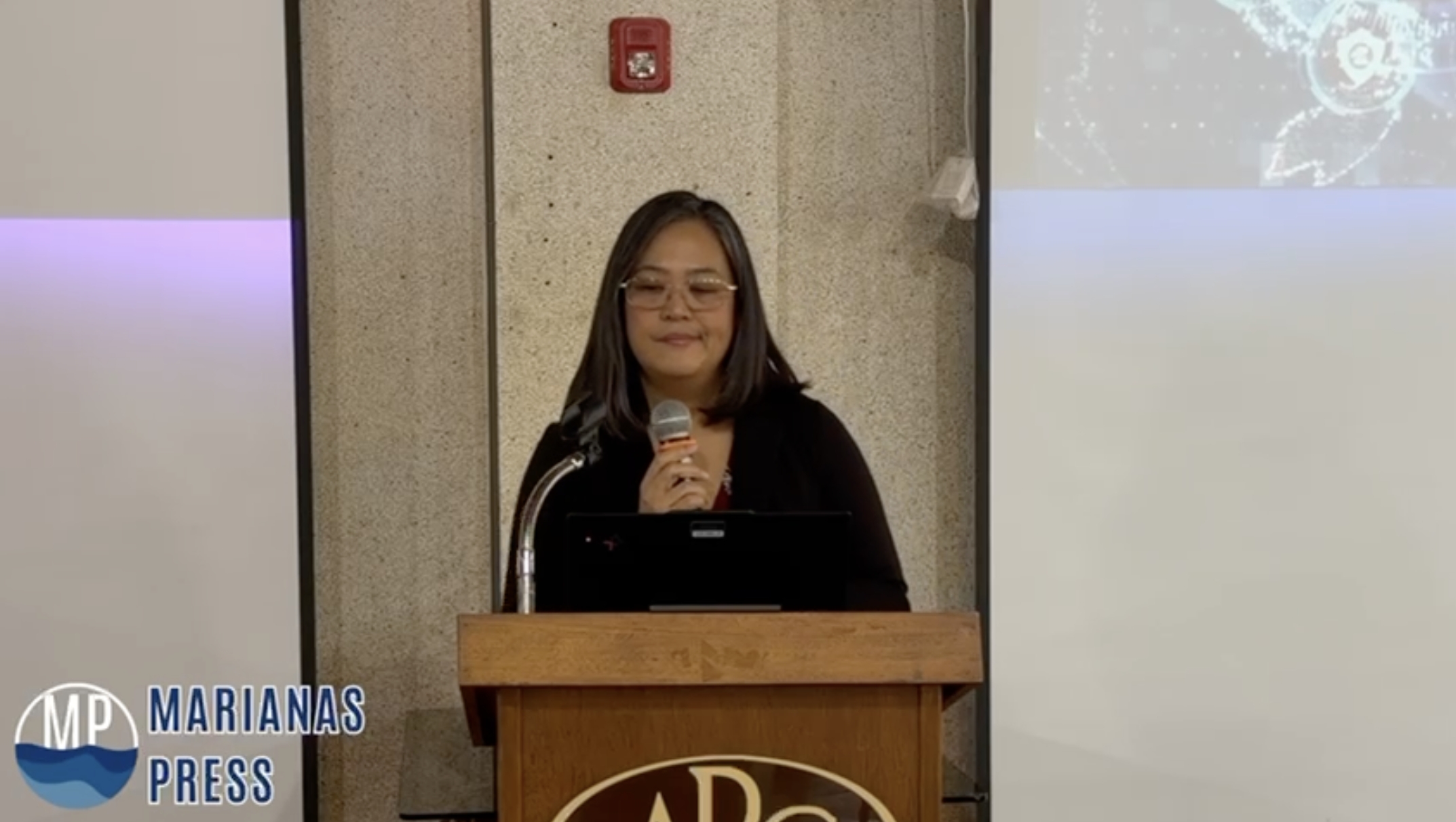
The proposal came as CUC chief financial officer Betty Terlaje reported that the utility's unrestricted cash had plunged to just $4.4 million as of Oct. 31, down from $9.3 million a month earlier, while its operating loss ballooned to $42.5 million in fiscal year 2026 from $15.9 million the previous year.
Sanchez, a longtime commissioner and former chairman of Guam's Consolidated Commission on Utilities, the elected board overseeing the Guam Power Authority and Guam Waterworks Authority, said CUC needs to find a way to recover approximately $42 million owed by government agencies.
He suggested imposing a surcharge on the hospital or other government accounts to recover the money over five to seven years.
"But we're gonna surcharge all the government accounts or the government account that is the problem, right? And have the government pay its power bill like everyone else does," Sanchez said.
CUC management clarified that CHCC's outstanding balance had dropped below $40 million and was now in the $30 million range.
The hospital entered into a repayment agreement with CUC about a year ago requiring it to make monthly payments toward its outstanding balance while keeping current with its utility bills.
Management said CHCC has been complying with the agreement, which originally contemplated a repayment period of approximately 14 years. The arrangement is reviewed annually to determine whether the hospital can increase its payments.
Sanchez, however, questioned whether CUC could afford to wait that long.
"I'm just concerned about 14 years seems to be, I don't know if we're gonna be here in 14 years at the current rate of cash flow," he said.
CUC board chair Allen Perez said the utility would raise CHCC's outstanding obligations in another meeting with government stakeholders.
Sanchez also suggested presenting the Commonwealth Public Utilities Commission with an alternative surcharge proposal targeting government accounts instead of spreading the costs among all ratepayers.
CUC has a separate petition before CPUC seeking a temporary typhoon disaster surcharge to help finance recovery expenses. Sanchez's proposed government-account surcharge would instead address longstanding unpaid utility bills.
Meanwhile, Terlaje reported that CUC's operating revenues declined to $84.2 million in fiscal year 2026 from $89.4 million the previous year, while operating expenses increased to $126.7 million from $105.2 million.
CUC also incurred approximately $12.3 million in unbudgeted typhoon and restoration expenses, including $10.7 million for its power division.
As of Sept. 30, the utility had $20.8 million in accounts payable and accrued liabilities, compared with $8.5 million a year earlier.
Terlaje said CUC has been stretching payments to vendors while continuing to pay for fuel, payroll, and other essential operations.
"CUC cannot indefinitely finance disaster recovery from its operating cash while also sustaining the essential utility services that the commonwealth depends upon," she said.
CUC is pursuing a proposed $40-million line of credit to cover disaster recovery expenses while awaiting reimbursements from the Federal Emergency Management Agency.
Terlaje said the utility had approached the U.S. Department of Agriculture for financing but was found ineligible for its operating loan program because CUC is not an existing borrower.
The board authorized management to proceed with the procurement process for private financing, with officials saying CUC could accept less than $40 million depending on the offers received.
Terlaje warned that without timely financing or federal reimbursements, CUC might still need the proposed typhoon disaster surcharge despite the additional burden it would place on customers.
Share this article: