CUC board OKs one appeal, rejects another in solar IPP procurement
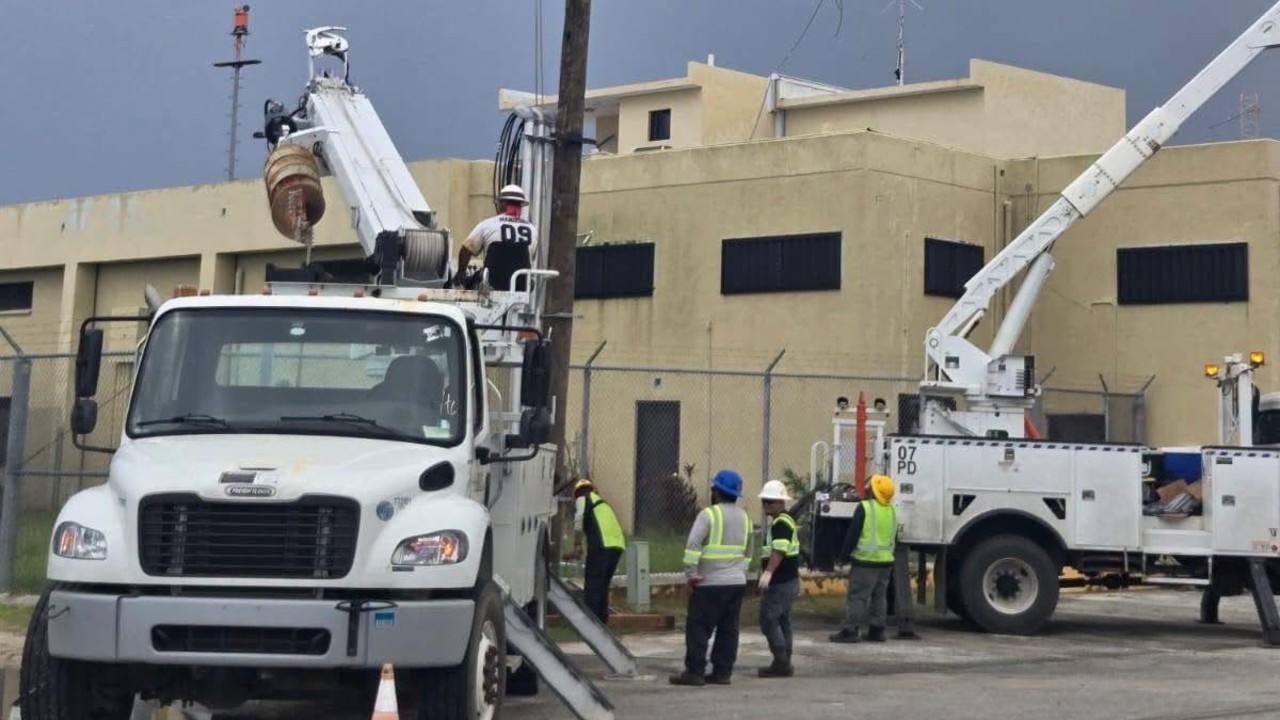
The Commonwealth Utilities Corp. board has approved one appeal and rejected another related to its request for proposals (RFP) for independent power producers to develop large-scale solar photovoltaic systems with battery storage across Saipan, Tinian, and Rota.
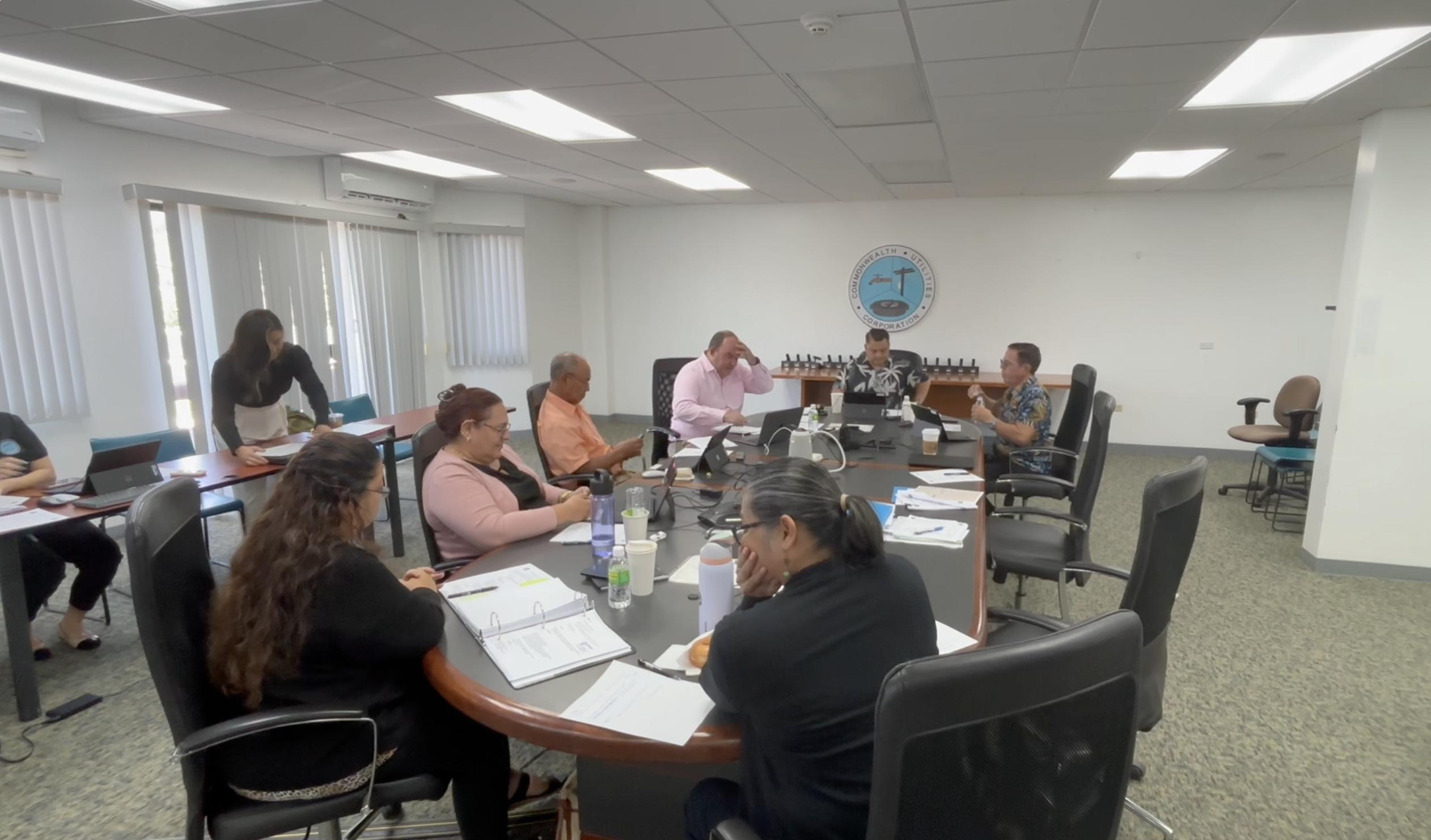
In a meeting last Jan. 8 at the CUC office in Dandan, the board unanimously dismissed Summit Ridge Energy’s appeal, finding it was not properly filed and that it lacked jurisdiction. At the same time, it unanimously allowed AP Energy LLC’s appeal to move forward for further review.
Perry Inos, managing member of AP Energy, said the board confirmed the company followed proper procedures under CUC-RFP-25-021. AP Energy’s appeal will be addressed in a future meeting, where the board will decide whether to rule on the written record or hold a formal hearing.
“The appeal is not a request for an award,” Inos said. “It’s a request to advance to Phase 2 so our proposal can be evaluated on its merits, including pricing, execution capability, and benefits to ratepayers.”
AP Energy, part of the local AP Group-HYC Corp., has offices, personnel, and active projects in the CNMI, supported by joint development partners with global experience. The core dispute centers on whether CUC correctly applied financial qualification requirements, Inos said. The RFP allowed submission of audited financial statements or annual reports, including affiliate statements, a provision not removed by the addendum.
Inos argued that a later request-for-information response could not override the RFP as written and noted that audited statements are not legally required for many businesses. Phase 1 is intended as a qualification screen; financing and risk are considered in Phase 2. AP Energy warned that upholding its disqualification could create precedent for narrowing RFP requirements after proposals are submitted.
Separately, Tang’s Corp. and partner CCE Oasis Technology asked CUC to reconsider their Phase 1 non-qualification due to missing audited financial statements. In a Jan. 8 letter, Tang’s said the 2024 audit is underway and expects completion in weeks. The company asserted it has the financial and operational capacity for the project and is prepared to invest its own capital.
Tang’s highlighted its direct factory production capabilities and proposed using buried high-voltage transmission lines to improve reliability, safety, and aesthetics. The company asked CUC to allow submission of completed statements for reconsideration.
The board met in executive session to review legal advice on two procurement appeals. CUC legal ounsel Michael Ernst explained that proposals submitted by the October deadline were screened for responsiveness, and disqualified entities filed appeals. Summit Ridge’s appeal failed procedural thresholds, while AP Energy’s challenge questioned the executive director’s disqualification decision and cited vagueness in audited financial statement requirements.
After discussions, the board upheld Summit Ridge’s disqualification (Appeal No. 25-001-PS) and allowed AP Energy’s appeal (Appeal No. 25-002-PS) to proceed, deferring substantive action. A third submission was not considered, as it was an initial letter, not a formal appeal.
CUC’s aforementioned RFP seeks independent power producers to finance, build, own, and operate solar systems with battery storage, aiming to reduce dependence on imported diesel. The target is roughly 60 MW on Saipan, 10 MW on Tinian, and 3 MW on Rota, with enough battery storage for four hours on each island. Projects are expected to begin operations within two years of contract award and run under 25-year power supply agreements. Proposals are evaluated in two phases: technical and financial qualification, followed by cost evaluation, with final selection subject to Commonwealth Public Utilities Commission approval.
Share this article: