CUC weighs employee hour cuts, warns of possible rolling outages
The Commonwealth Utilities Corp. may have to cut employee working hours and reconsider rolling power outages as it struggles with rising fuel costs, storm recovery expenses, and a shortage of operating funds.
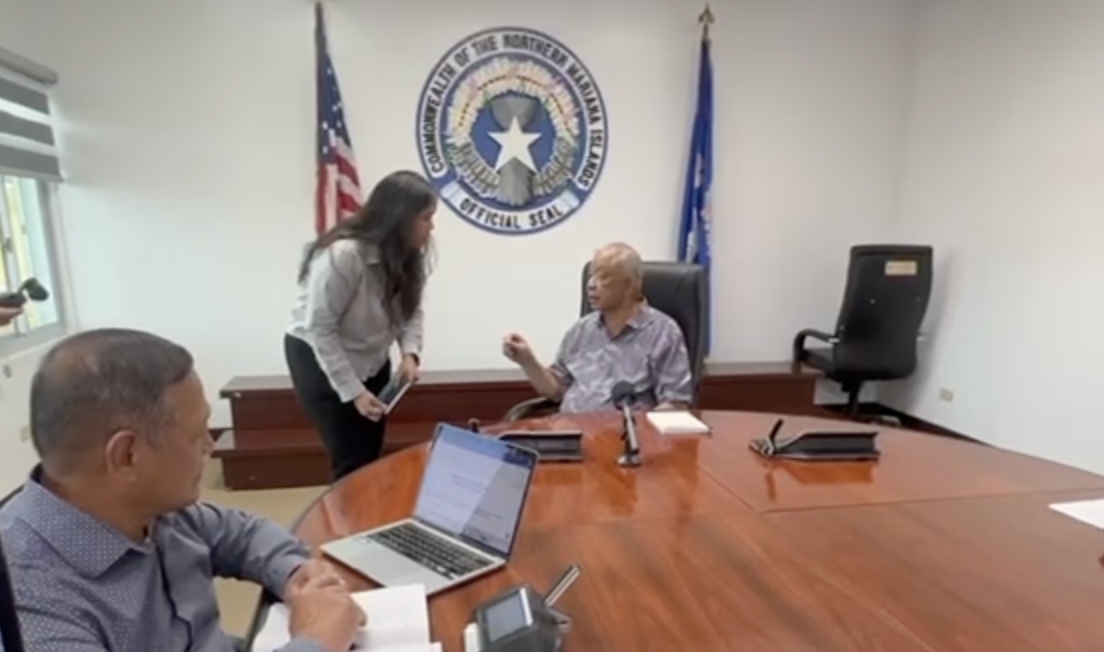
CUC board chair Allen Perez raised the possibility during a special board meeting last Oct. 8, as the utility discussed austerity measures to keep its operations running.
Perez said CUC is facing immediate financial problems while possible solutions, including borrowing money, buying more efficient generators, and receiving federal disaster reimbursements, will take time.
He warned that CUC could eventually have to choose between paying for fuel and meeting other operating expenses.
"Now obviously it's only a matter of time we start to really dust off the load shedding plan and consider that," Perez said.
Load shedding involves scheduled power interruptions to reduce electricity demand when the utility cannot supply enough power.
Perez stressed that CUC is not eager to cut employee hours or reduce its workforce but must find ways to lower expenses.
He said the utility should first look at restricting hiring and overtime before considering more drastic measures.
"What I want to ask the board right now is to adopt a policy of a hiring freeze," he said.
Under his proposal, exceptions would be allowed for critical positions justified by division managers and approved by both the chief financial officer and executive director.
CUC management disclosed that the utility currently has a 17% vacancy rate.
Perez said the hiring restrictions alone would not solve CUC's financial problems but could help reduce expenses.
The board did not finalize additional austerity policies during Thursday's meeting. Instead, management was directed to prepare recommendations for the next regular board meeting on Oct. 15.
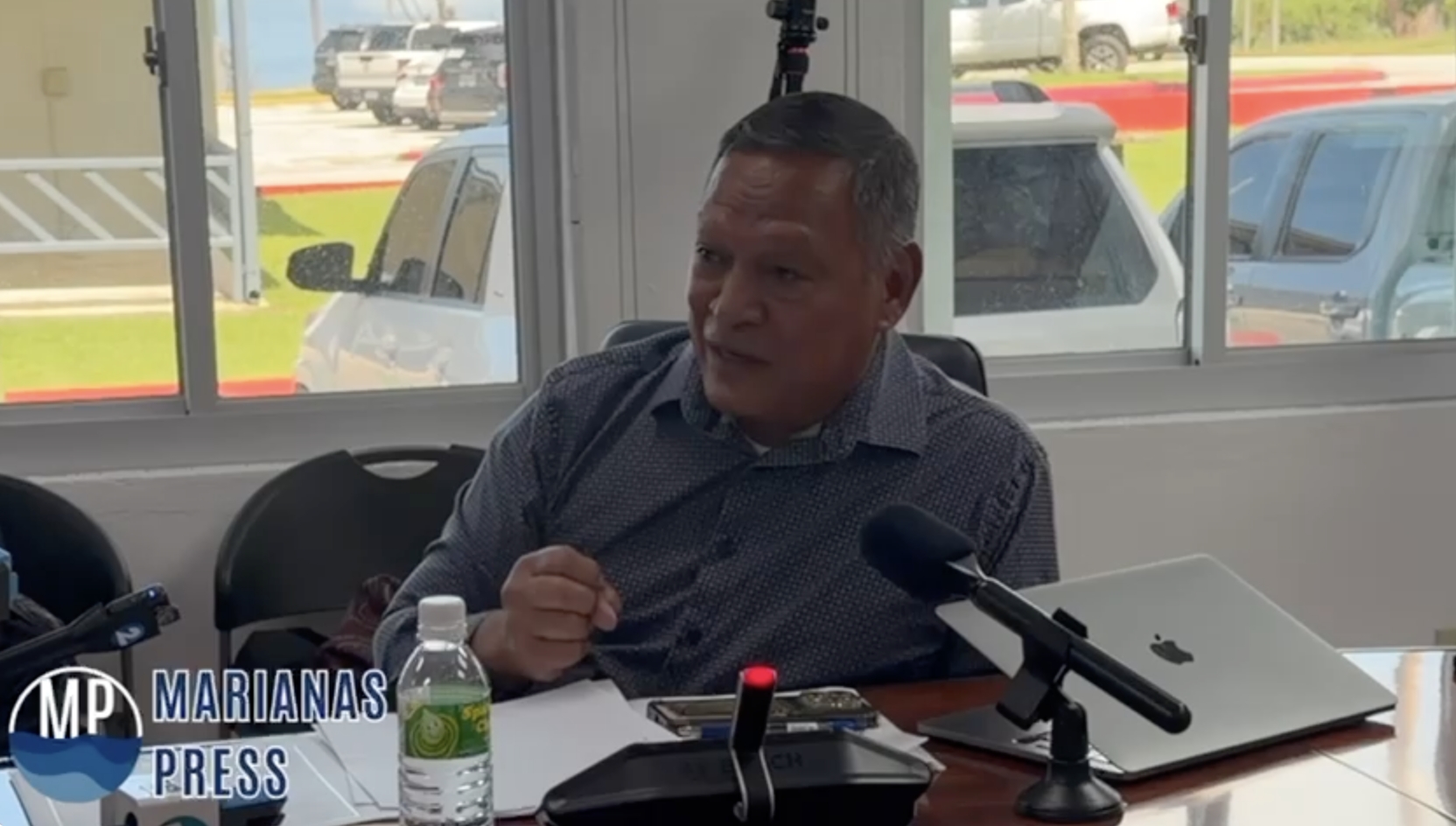
CUC chief financial officer Betty Terlaje said reducing overtime is one way to avoid cutting regular employee working hours.
She said overtime has become a regular part of CUC operations because of aging infrastructure, emergency repairs, and continuing storm recovery work.
"When everything is an emergency overtime becomes the operating plan," she said. "We cannot afford that."
Terlaje said managers should consider adjusting employee schedules to provide seven-day coverage without automatically relying on overtime.
She acknowledged that such changes would be difficult for employees accustomed to having weekends off.
However, she said the alternative could be worse if CUC fails to control expenses.
"Adjusting schedules can help us preserve regular paid hours," she said.
"If we cannot bring our costs down, cutting employee hours becomes a much more difficult possibility."
Perez said CUC's financial problems have been made worse by the cost of restoring utility services following super typhoons Sinlaku and Bavi, as well as recent fuel price increases.
He said the utility is also awaiting authority to borrow money to pay outstanding storm recovery expenses.
CUC is separately pursuing an increase in its base utility rates, which officials said have remained unchanged for about 12 years.
Rate consultant Dan Jackson said negotiations with the Commonwealth Public Utilities Commission are continuing, with both sides hoping to reach an agreement later this month.
Public meetings on the proposed rate adjustments could follow if an agreement is reached.
Meanwhile, Perez told CUC managers to immediately identify ways to reduce expenses and present their recommendations at the Oct. 15 meeting.
He said reducing employee working hours should remain a last resort while management looks for other savings.
CUC has not announced any employee pay cuts, layoffs, or scheduled rolling power outages.
Share this article: